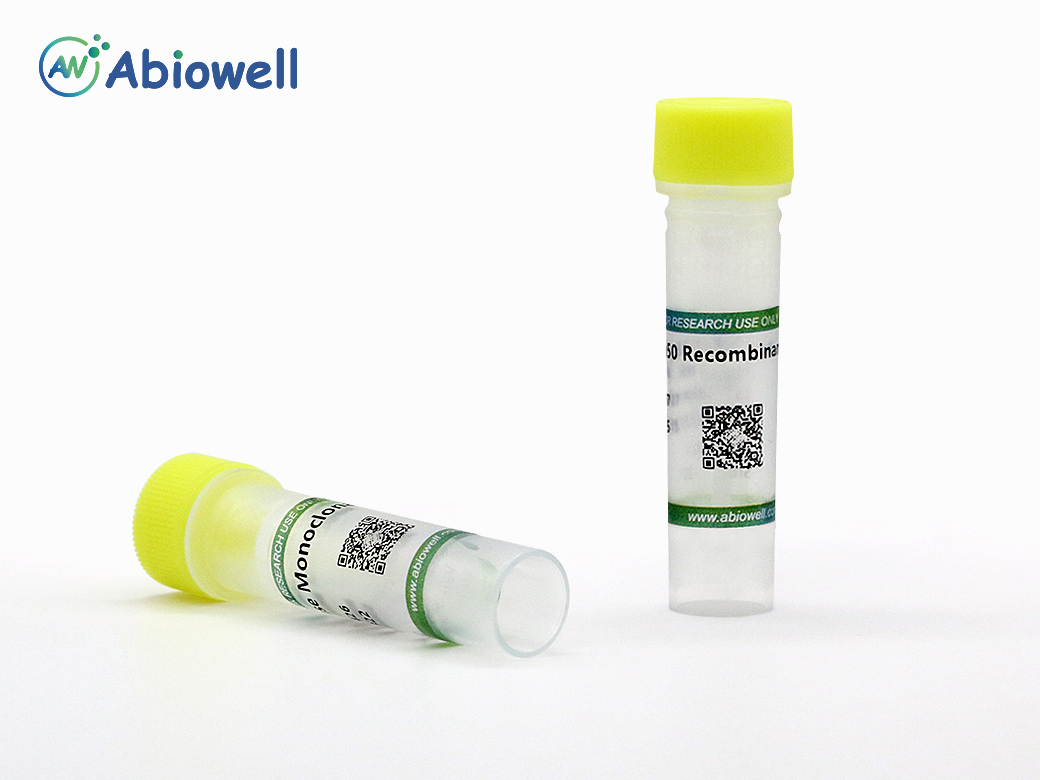
Goat anti-Mouse IgG (H+L) Secondary Antibody, Alexa Fluor 594
-
-
- 50μL
- ¥80
- 现货
-
- 100μL
- ¥150
- 现货
-
- 500μL
- ¥650
- 现货
Product Details
| Host Species: Goat | Reactivity: Mouse | Concentration: 1 mg/mL |
Clonality: Polyclonal | Isotype: IgG | Conjugate: Alexa Fluor 594 | |
Formulation: Liquid in PBS containing 50% glycerol, 1% BSA and 0.05% PC300. | |||
Purification: Affinity-chromatography | |||
Storage: -20°C,store in dark,1 year | |||
Applications
| IF 1:100-1:1000 FCM 1:100-1:1000 | ||
Information
| Based on immunoelectrophoresis and/or ELISA, the antibody reacts with whole molecule mouse IgG. It also reacts with the light chains of other mouse immunoglobulins. No antibody was detected against non-immunoglobulin serum proteins. The antibody may cross-react with immunoglobulins from other species. | ||
| Product images | |
|
Fig: Fluorescence immunohistochemical analysis of MOUSE-brain cortex tissue (Formalin/PFA-fixed paraffin-embedded sections). Goat Anti-MOUSE IgG H&L (iFluor™ 594, AWS0004) was used as the secondary antibody at 1/200 dilution for 60 minutes at 37 ℃.DAPI (blue, AWC0291) was used as a nuclear counter stain. Image acquisition was performed with Slide Scanner. |
|
Fig: Fluorescence immunohistochemical analysis of Mouse-hippocampus tissue (Formalin/PFA-fixed paraffin-embedded sections). Goat Anti-MOSUE IgG H&L (iFluor™ 594, AWS0004) was used as the secondary antibody at 1/200 dilution for 60 minutes at 37 ℃.DAPI (blue, AWC0291) was used as a nuclear counter stain. Image acquisition was performed with Slide Scanner. |
|
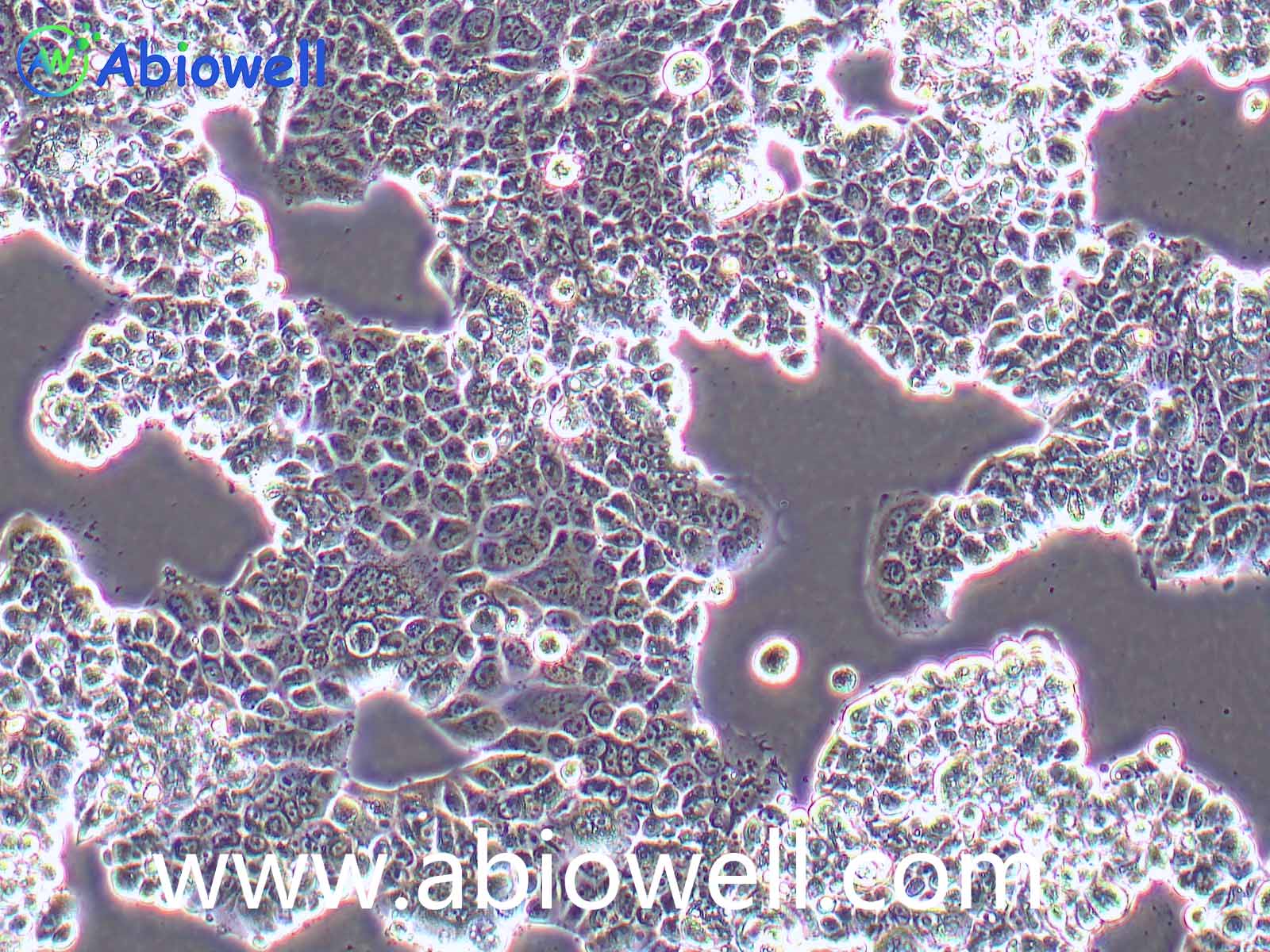
Fig: Immunocytochemistry analysis of HELA cells labeling Goat Anti-mouse IgG H&L (iFluor™ 594, AWS0004) was used as the secondary antibody at 1/200 dilution for 60 minutes at 37 ℃. Nuclear DNA was labelled in blue with DAPI(AWC0291). |
引用文献 (19)
Objective. Here, we aimed to explore the main mechanism of Yaobishu (YBS) in lumbar disc herniation (LDH). Methods and Results. Eighteen compounds that might act on LDH were obtained through a combination of network pharmacology prediction and identification by high-performance liquid chromatography-mass spectrometry. The key compounds were palmitic acid and trans-4-hydroxy-3-methoxycinnamate (cinnamate). KEGG analysis demonstrated that palmitic acid target genes mainly regulate the PPAR signaling pathway, Ras signaling pathway, and fatty acid metabolism. Cinnamate target genes were primarily involved in chemical carcinogenesis-receptor activation, lipid and atherosclerosis, the HIF-1 signaling pathway, and nitrogen metabolism. The rat LDH model was constructed using autologous nucleus pulposus tissue implantation. Differential expression gene (DEGs) related to metabolism (CDKN1A and UHRF1), inflammation (S100A9 and SOCS3), autophagy (DCN and LEPR), and apoptosis (CTSW and BCL2A1) in dorsal root ganglion (DRG) tissues of the control and LDH groups was evaluated by RNA-Seq. TNF-α stimulated DRG neuronal cells were used to establish an in vitro LDH model. YBS, palmitic acid, and cinnamate reduced the expression of substance P, CGRP, S100A9, CTSW, and cleaved caspase-3, while enhancing the expression of CDKN1A, UHRF1, PCNA, Ki67, SOCS3, DCN, LEPR, and BCL2A1, as well as telomerase activity. Pearson’s correlation analysis confirmed that DCN was positively correlated with BCL2A1, indicating that autophagy might be negatively correlated with apoptosis in LDH. YBS, palmitic acid, and cinnamate reduced the Siegal neurological score and serum IL-1β and IL-18 levels, while increasing changes in the hind paw mechanical withdrawal threshold. The RNA-Seq results further showed that YBS downregulated S100A9 and CTSW expression, while upregulating SOCS3, CDKN1A, UHRF1, DCN, LEPR, and BCL2A1 expression. Conclusion. YBS and its compounds, palmitic acid, and cinnamate, attenuated LDH by regulating the inflammatory, metabolic, autophagic, and apoptotic pathways. Our results might improve the theoretical and experimental basis for clinical applications of LDH disease treatment.
N6-methyladenosine (m6A) modification, a dynamically reversible epigenetic mechanism, is implicated in pulmonary fibrosis (PF) progression. The function and molecular mechanisms of m6A reader, insulin-like growth factor 2 mRNA binding protein 1 (IGF2BP1) in PF remain elusive. This study investigates the mechanistic contributions of IGF2BP1 to PF development. We found IGF2BP1 was overexpressed in macrophages of PF mice. IGF2BP1 knockdown markedly attenuated bleomycin (BLM)-induced lung pathology, as evidenced by reduced inflammatory cell infiltration, fibroblast accumulation, Ashcroft fibrosis scores, and hydroxyproline deposition. Furthermore, IGF2BP1 knockdown downregulated PF-associated markers in lung tissues and embryonic lung fibroblasts (ELFs), including TGF-β1, α-SMA, Collagen-I/III, Arg1, CCL18, Ym1, CD163, IL-6, IL-1β, and TIMP1, while decreasing the CD68 + /CD163 + macrophage proportion. Mechanistic studies revealed that IGF2BP1 bound to and stabilized thrombospondin-1 (THBS1) in an m6A-dependent manner. THBS1 overexpression rescued the suppression of macrophage M2 polarization caused by IGF2BP1 knockdown. Additionally, THBS1 overexpression counteracted IGF2BP1 knockdown-mediated inhibition of glycolysis, restoring HK2, LDHA, and PKM2 expression, lactate/glucose metabolism, and ATP production. Intriguingly, THBS1 physically interacted with toll-like receptor 4 (TLR4), and TLR4 overexpression reversed the inhibitory effect of THBS1 knockdown on macrophage M2 polarization and glycolytic reprogramming. Collectively, our findings demonstrate that IGF2BP1 drives PF progression by stabilizing THBS1 mRNA via m6A modification, thereby promoting TLR4-mediated macrophage M2 polarization and glycolytic activation. This study unveils a novel IGF2BP1/THBS1/TLR4 regulatory axis in PF pathogenesis, offering potential therapeutic targets.
Diabetic nephropathy (DN) is a serious complication of diabetes, and inflammation plays a crucial role. Sirtuin 2 (SIRT2), a NAD+-dependent deacetylase, which is involved in the regulation of cell metabolism, proliferation and longevity through deacetylation. Our previous research showed a positive correlation between urinary SIRT2 levels and renal injury markers in DN patients. Therefore, this study explored the specific role of SIRT2 in DN and its regulatory relationship with inflammatory response. Increased expression of SIRT2 was observed in kidney tissues of DN mice and in HK2 cells induced by HG/PA. SIRT2 knockout mice alleviated microalbuminuria, inflammatory responses, and kidney damage induced by HFD/STZ. In HK2 cells, reducing SIRT2 expression or inhibiting its acetylase activity alleviated the inflammatory response induced by HG/PA, whereas overexpression of SIRT2 exacerbated this response. Further investigation revealed that SIRT2 directly interacts with c-Jun/c-Fos, promoting their deacetylation. And inhibitors of c-Jun/c-Fos partially reversed the upregulation of inflammatory factors caused by SIRT2 overexpression. Meanwhile, disrupting SIRT2 reduced the binding activity between AP-1 and the MCP-1 promoter, while overexpressing SIRT2 further increased their binding activity in HK2 cells. Interestingly, SIRT2 increased its phosphorylation while deacetylating c-Jun, leading to nuclear accumulation of p-c-Jun. In conclusion, SIRT2 knockout can alleviate kidney injury and inflammatory response in HFD/STZ mice. The mechanism is related to the increased acetylation of c-Jun/c-Fos in renal tubular epithelial cells, accompanied by crosstalk between c-Jun phosphorylation and acetylation. Blocking SIRT2 could therefore be a potential therapeutic target for DN. Graphical
Background Pulmonary arterial hypertension (PAH) is characterized by lipid accumulation and mitochondrial dysfunction. This study was designed to investigate the effects of hypoxia-inducible factor-1α (HIF-1α) on fatty acid uptake and mitophagy in PAH. Methods Peripheral blood samples were obtained from PAH patients. Human pulmonary arterial smooth muscle cells and rat cardiac myoblasts H9c2 were subjected to hypoxia treatment. Male Sprague–Dawley rats were treated with monocrotaline (MCT). Right ventricular systolic pressure (RVSP), right ventricular hypertrophy index (RVHI), pulmonary artery remodeling, and lipid accumulation were measured. Cell proliferation and ROS accumulation were assessed. Mitochondrial damage and autophagosome formation were observed. Co-immunoprecipitation was performed to verify the interaction between HIF-1α and CD36/PI3K p85α. Results HIF-1α, CD36, Parkin, and PINK1 were upregulated in PAH samples. HIF-1α knockdown or PI3K p85α knockdown restricted the expression of HIF-1α, PI3K p85α, Parkin, PINK1, and CD36, inhibited hPASMC proliferation, promoted H9c2 cell proliferation, reduced ROS accumulation, and suppressed mitophagy. CD36 knockdown showed opposite effects to HIF-1α knockdown, which were reversed by palmitic acid. The HIF-1α activator dimethyloxalylglycine reversed the inhibitory effect of Parkin knockdown on mitophagy. In MCT-induced rats, the HIF-1α antagonist 2-methoxyestradiol (2ME) reduced RVSP, RVHI, pulmonary artery remodeling, lipid accumulation, and mitophagy. Recombinant CD36 abolished the therapeutic effect of 2ME but inhibited mitophagy. Activation of Parkin/PINK1 by salidroside (Sal) promoted mitophagy to ameliorate the pathological features of PAH-like rats, and 2ME further enhanced the therapeutic outcome of Sal. Conclusion PI3K p85α/HIF-1α induced CD36-mediated fatty acid uptake and Parkin/PINK1-dependent mitophagy to accelerate the progression of experimental PAH. Graphical Abstract
Pancreatic cancer is highly challenging, with most patients developing intrinsic or acquired resistance to first-line chemotherapy drug gemcitabine (GEM). Although Matrix Metalloproteinase 28 (MMP28) is upregulated in pancreatic cancer and predicts a poor prognosis, its role in GEM resistance and molecular mechanism remain unclear. Here, we aimed to investigate the role of MMP28 in GEM resistance and molecular mechanism. First, differentially expressed genes in pancreatic cancer were identified through bioinformatics and validated in clinical samples and cells. MMP28 was significantly overexpressed in pancreatic cancer tissues and Capan-1 and PANC-1 cells, correlating with poor prognosis. Then, MMP28 knockdown was performed in Capan-1 and PANC-1 cells, followed by GEM treatment. Furthermore, in vivo experiments evaluated GEM sensitivity after MMP28 knockdown. The results showed that MMP28 knockdown enhanced GEM sensitivity both in vitro , reducing cell proliferation and survival, and in vivo , where tumor growth was significantly suppressed. Additionally, glycolysis-related changes were assessed. We revealed that glycolysis was implicated as a key pathway in this process, with reduced glucose uptake and lactate production observed after MMP28 knockdown. Protein-protein interaction analysis identified Staphylococcal nuclease domain-containing protein 1 (SND1) as a key interactor, and SND1 expression was upregulated in pancreatic cancer tissues. Moreover, MMP28 interacted with SND1 to regulate SND1′s recruitment of HK2 mRNA to promote glycolysis. However, overexpression of SND1 reversed the effects of MMP28 knockdown, restoring glycolysis and GEM resistance. In conclusion, MMP28 promoted tumor growth and GEM resistance in pancreatic cancer by regulating glycolysis via interaction with SND1.
Ethnopharmacological relevance Probiotic fermentation is a mild and safe biological method to boost the performance of herbs. Portulaca oleracea L. (PO), with folklore records of purgative, anti-dermatological and anti-epidemic effects, has been demonstrated to possess anti-inflammatory, immunomodulatory, and antioxidant properties. However, the potential of PO for the treatment of atopic dermatitis (AD) has not been sufficiently explored. Aim of study This study aimed to evaluate the therapeutic benefits of PO and fermented Portulaca oleracea L. (FPO) and explore their intrinsic mechanisms. Methods By utilizing 2,4-dinitrofluorobenzene-induced AD mice as a model, the histopathology of the lesions was observed using H&E and toluidine blue staining methods; the levels of immunoglobulin E (Ig E), histamine (HIS), and thymic stromal lymphopoietin (TSLP) in serum were measured using ELISA , whereas, the expression of inflammatory cytokines in skin lesion was measured using ELISA and immunohistochemistry experiments. The expression of tumor necrosis factor-α ( TNF-α ), IKKα , NF-κB mRNA was measured using qPCR; and the expression of TNF-α、p-IKKα, p-IκBα, p-NF-κB was measured using western blotting . Results Both 20 mg/mL PO and FPO alleviated mast cell infiltration and lesion pathology, reduced serum levels of Ig E, HIS and TSLP, down-regulated the expression of AD-related inflammatory cytokines, such as, TNF-α, interferon-γ, and interleukin-4, and increased filaggrin expression. Furthermore, they inhibited the expression of TNF-α, IKKα, and NF-κB genes and TNF-α, p-IKKα, p-NF-κB and p-IκBα proteins associated with the NF-κB signaling pathway. Conclusions PO and FPO has a positive therapeutic potential on AD, indicating that it may be employed as alternative therapies for AD.
Background Most patients with lumbar disc herniation can be relieved or cured by surgical or non-surgical treatment; however, postoperative persistent radiculopathy is common. This study demonstrates the regulation of autophagy by the FOXG1/SATB2 axis in lumbar disc herniation (LDH).Methods Rat dorsal root neurons were induced with TNF-α in vitro. Sprague Dawley (SD) rats were used to construct the LDH rat model, which was treated with L. paracasei S16 or oe-FOXG1. Paw withdrawal threshold or latency assay (PWT/L) was performed. Peripheral blood samples were collected and analysed using ELISA and miRNAseq. RT-qPCR was used to analyse the expression of FOXG1, LC3B, Beclin1, p62, and SATB2. TUNEL staining and flow cytometry were used to analyse apoptosis. The expression of Cyclin D1, PCNA, Ki67, FOXG1, SATB2, and autophagy proteins was measured using western blotting.Results TNF-α induced low expression of FOXG1 and SATB2 in dorsal root ganglion (DRG) neurons of rats. TNF-α induced an increase in p62 protein and a decrease in LC3II/I and Beclin-1 proteins in neurons, which were blocked by oe-FOXG1. oe-FOXG1 suppressed inflammation and apoptosis in TNF-α-induced DRG neurons and LDH rats and promoted the expression of Cyclin D1, PCNA, and Ki67. Many miRNAs were increased in the peripheral blood of LDH rats, but decreased after L. paracasei S16 intervention. L. paracasei S16 affects miR-31a-5p and SATB2 expression. Dual luciferase reporter gene assay confirmed that miR-31a-5p bound to SATB2. Co-IP analysis confirmed the interaction between FOXG1 and SATB2. Silencing of SATB2 inhibited the beneficial effects of oe-FOXG1 in TNF-α-induced dorsal root ganglion neurons. Animal experiments further demonstrated that oe-FOXG1 improved LDH disease characteristics by downregulating PWT, PWL, inflammation, and apoptosis levels and upregulating SATB2-autophagy levels.Conclusions MiR-31a-5p/SATB2 is involved in the treatment of L. paracasei S16 in LDH rats. Overexpression of FOXG1 promotes autophagy through SATB2 to improve LDH levels This provides a new approach for the treatment of LDH.
Objective Chronic insomnia can easily lead to clinical distress or cause mental, social, physical, educational, occupational, or other functional impairments. Considering the role of circadian rhythm in insomnia, we focused on exploring the action of miR-29a in regulating the PER2 gene in improving chronic insomnia. Methods LPS induces the expression of miRNAs targeting PER2 in HMC3 and PRM cells, which was verified by RT-qPCR. Poly-lactic- co -glycolic acid (PLGA) nanoparticles (NP) were used to encapsulate short hairpin (sh)-miR-29a to construct sh-miR-29a-NP. Morris water environment method was employed to establish a sleep deprivation rat model to investigate the therapeutic effects of sh-miR-29a-NP. Cell viability and levels of cell polarization factors were evaluated using CCK8 and ELISA, respectively. The Morris water maze test was applied to assess the learning and memory capabilities of the rats. Immunohistochemistry, immunofluorescence, and western blot were applied to test the expression of glial cell polarization, neuronal cell activation, apoptosis, and Period2 (PER2) /nuclear factor kappa B (NF-κB) axis proteins. Results miR-29a was significantly upregulated in LPS-induced HMC3 and PRM cells, with the most significantly altered miRNAs/PER2 interaction. In LPS-induced HMC3 and PRM cells, sh-miR-29a promoted the PER2 and CD206 expressions, and inhibited the expression of ionized calcium-binding adaptor molecule 1 (IBA-1), NF-κB, and CD86, while this effect was blocked by small interfering-PER2. Further in vivo experiments confirmed that PER2 and CD206 expression was reduced, while NF-κB, CD86, and IBA-1 expression were up-regulated in the hippocampal tissue of CSD rats. However, this effect was reversed by treatment with sh-miR-29a-NP. Treatment with sh-miR-29a-NP in CSD rats shortened the escape latency and increased the number of crossings over the original platform, while inhibited the expression of NLR Family Pyrin Domain Containing 3, caspase-1, Gasdermin D (GSDMD), and TUNEL signal in the hippocampal tissue. Conclusion The regulation of PER2/NF-κB pathway by sh-miR-29a-NP promoted M2 polarization of microglial cells and inhibited neuronal cell pyroptosis, thereby improving cognitive dysfunction in chronic insomnia.
Renal denervation (RDN) reduces cardiac sympathetic nerve activity maintained by arterial hypertension. This study aimed to investigate whether RDN affects myocardial mitochondrial oxidative stress and myocardial fibrosis through norepinephrine (NE)/Kruppel-like factor 15 (KLF15)/renalase (RNLS) pathway. The impact of RDN on myocardial remodeling was assessed in rats subjected to transverse aortic coarctation (TAC) surgery. To explore the mechanism by which NE influences mitochondrial oxidative stress and fibrosis in AC16 cardiomyocytes, we intervened with KLF15 and RNLS. The molecular mechanism underlying the role of RDN in TAC-induced myocardial remodeling was achieved through intraperitoneal injection of NE and adeno-associated virus to knock down KLF15 and RNLS. Echocardiography showed that RDN increased left ventricular ejection fraction and fractional shortening in TAC rats, while decreasing left ventricular end-systolic diameter. RDN decreased the myocardial infarction size, myocardial tissue injury, and fibrosis; decreased serum NE level; increased RNLS level; and promoted KLF15 and RNLS expression in cardiac tissue in TAC rats. NE prevented RDN effects on TAC rats. Further results showed that RDN improved myocardial remodeling in TAC rats by upregulating RNLS. NE promoted mitochondrial oxidative stress and fibrosis in cardiomyocytes by inhibiting RNLS. Mechanically, NE aggravated mitochondrial oxidative stress and fibrosis of cardiomyocytes by inhibiting KLF15 to downregulate RNLS. Moreover, RDN improved myocardial remodeling in TAC rats by upregulating KLF15. Our results implicated that RDN improved mitochondrial oxidative stress and myocardial fibrosis by inhibiting the NE/KLF15/RNLS pathway. Our findings demonstrated that the NE/KLF15/RNLS axis is a molecular strategy for RDN treatment of myocardial fibrosis.
Vascular regeneration dysfunction is key to the difficulty of healing diabetic wounds. Ferulic acid (FA) has been reported to be crucial in vascular regeneration. This work aimed to investigate the mechanism of FA in treating vascular regeneration dysfunction in diabetes. We investigated the impact of FA on wound healing and angiogenesis in diabetic rat wounds by injecting streptozotocin (STZ) into rats and excising full-thickness skin from the rats' backs. The effects of FA on the viability, migration, and angiogenesis of endothelial progenitor cells (EPCs) induced by high glucose (HG) were studied. Molecular docking and DARTS analysis of FA and HYAL1 were conducted. Knockdown and overexpression were utilized to investigate the regulatory mechanism of FA on diabetic angiogenesis. Metabolomics research was carried out to examine the regulation of serum metabolites by FA. The results showed that Intervention with FA resulted in smaller wounds in rats compared to the non-intervention group. The newly formed epidermis in rats after FA intervention was thicker, and the re-epithelialization rate and collagen deposition rate were higher. FA intervention increased the number of circulating EPCs in the peripheral blood of diabetic rats and enhanced the cellular activity, migration, and tube-forming capacity of bone marrow (BM)-EPCs. Upregulation of HYAL1 expression reduced the level of MMP-9, decreased the cell activity of BM-EPCs, and weakened the adhesion, migration, and vascular formation ability of BM-EPCs. Molecular docking and DARTS results showed that FA could bind to HYAL1 protein. HG intervention elevated the level of HYAL1, and FA intervention reversed the effect of HG intervention. FA intervention could regulate the metabolism of rats with diabetic wounds. In conclusion, FA enhanced the wound healing process and promoted vascular genesis in diabetic rats by suppressing HYAL1 and enhancing the function of BM-EPCs in diabetes. Graphical In diabetic wound rats, ferulic acid (FA) targets HYAL1, downregulates its expression, and subsequently upregulates MMP-9, thereby enhancing the function of bone marrow-derived endothelial progenitor cells (BM-EPCs) and promoting angiogenesis.
-
-
- 50μL
- ¥80
- 现货
-
- 100μL
- ¥150
- 现货
-
- 500μL
- ¥650
- 现货
-
相关产品
-
Goat anti-Mouse IgG (H+L) Secondary Antibody, HRP
Goat anti-Rabbit IgG (H+L) Secondary Antibody, HRP
Goat anti-Mouse IgG (H+L) Secondary Antibody, Alexa Fluor 488
Goat anti-Mouse IgG (H+L) Secondary Antibody, Alexa Fluor 594
Goat anti-Rabbit IgG (H+L) Secondary Antibody, Alexa Fluor 488
Goat anti-Rabbit IgG (H+L) Secondary Antibody, Alexa Fluor 594