IL-1β Rabbit Polyclonal Antibody
-
-
- 20μL
- ¥620
- 1-3个工作日
-
- 50μL
- ¥1250
- 1-3个工作日
-
- 100μL
- ¥2200
- 1-3个工作日
|
Product Details |
Host Species: Rabbit |
Reactivity: Human, Mouse, Rat |
Molecular Wt: Predicted MW: 31 kDa | |||
|
|
Clonality: Polyclonal |
Isotype: IgG |
Concentration: 1.078mg/ml | |||
|
|
Other Names: Il-1b; IL-1beta; IL1β; IL-1β | |||||
|
|
Formulation: Liquid in PBS containing 50% glycerol, 0.5% BSA and 0.02% sodium azide. | |||||
|
|
Purification: Affinity-chromatography | |||||
|
|
Storage: Store at -20°C. Stable for one year after shipment. Aliquoting is unnecessary for -20°C storage. | |||||
|
Applications |
WB 1:1000-1:5000 | |||||
|
Immunogen |
Gene Name: IL1B |
Protein Name: Interleukin-1 beta | ||||
|
|
Gene ID: 3553 (Human) |
SwissPro: P01584 (Human) | ||||
|
Immunogen |
Subcellular Location: Cytoplasm, cytosol. Secreted. Lysosome. Secreted, extracellular exosome. | |||||
|
|
Immunogen: Synthetic peptide of human IL-1β. AA range: 206-220. | |||||
|
|
Specificity: IL-1β Polyclonal Antibody detects endogenous levels of IL-1β protein. | |||||
| Product images | |
|
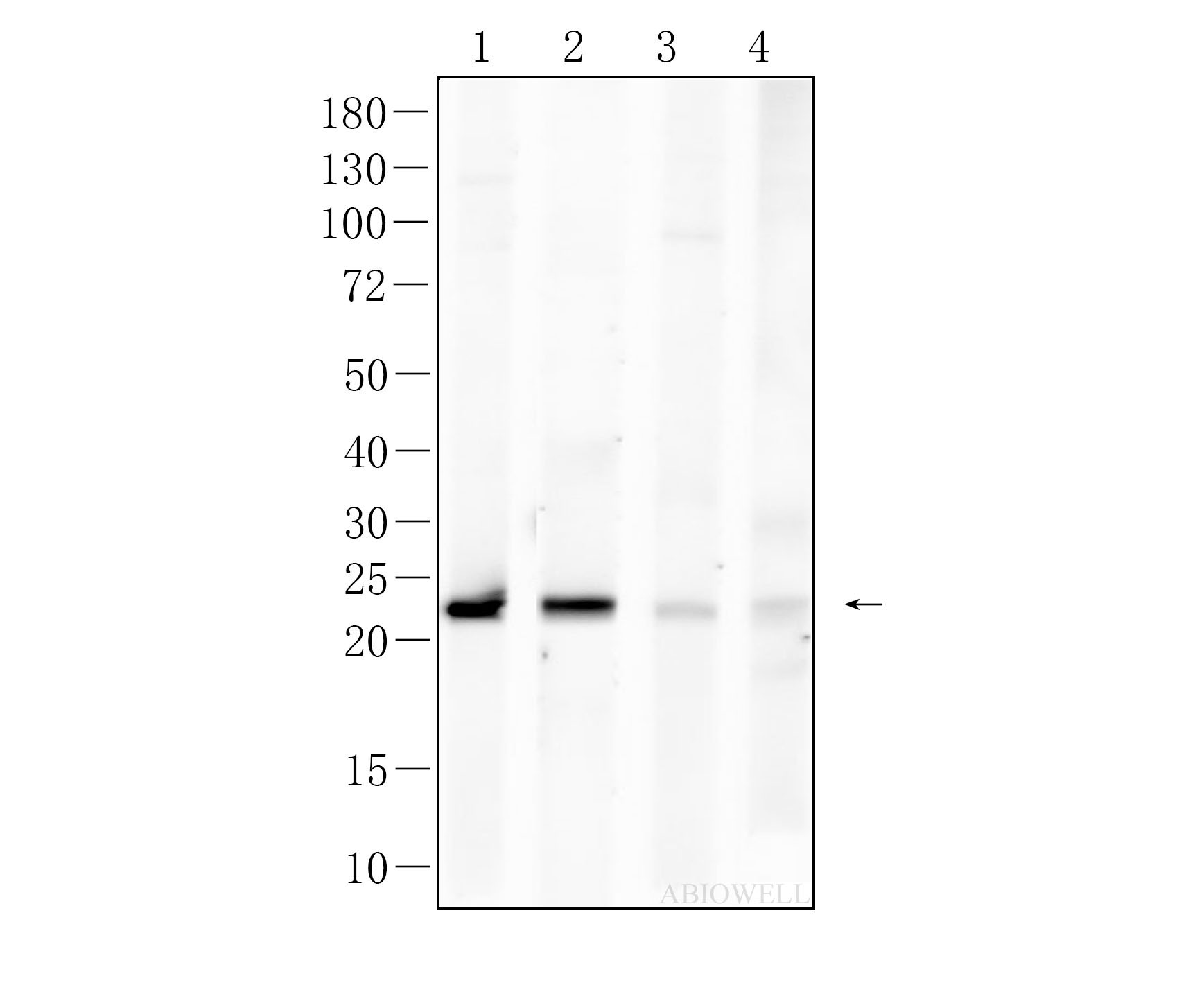
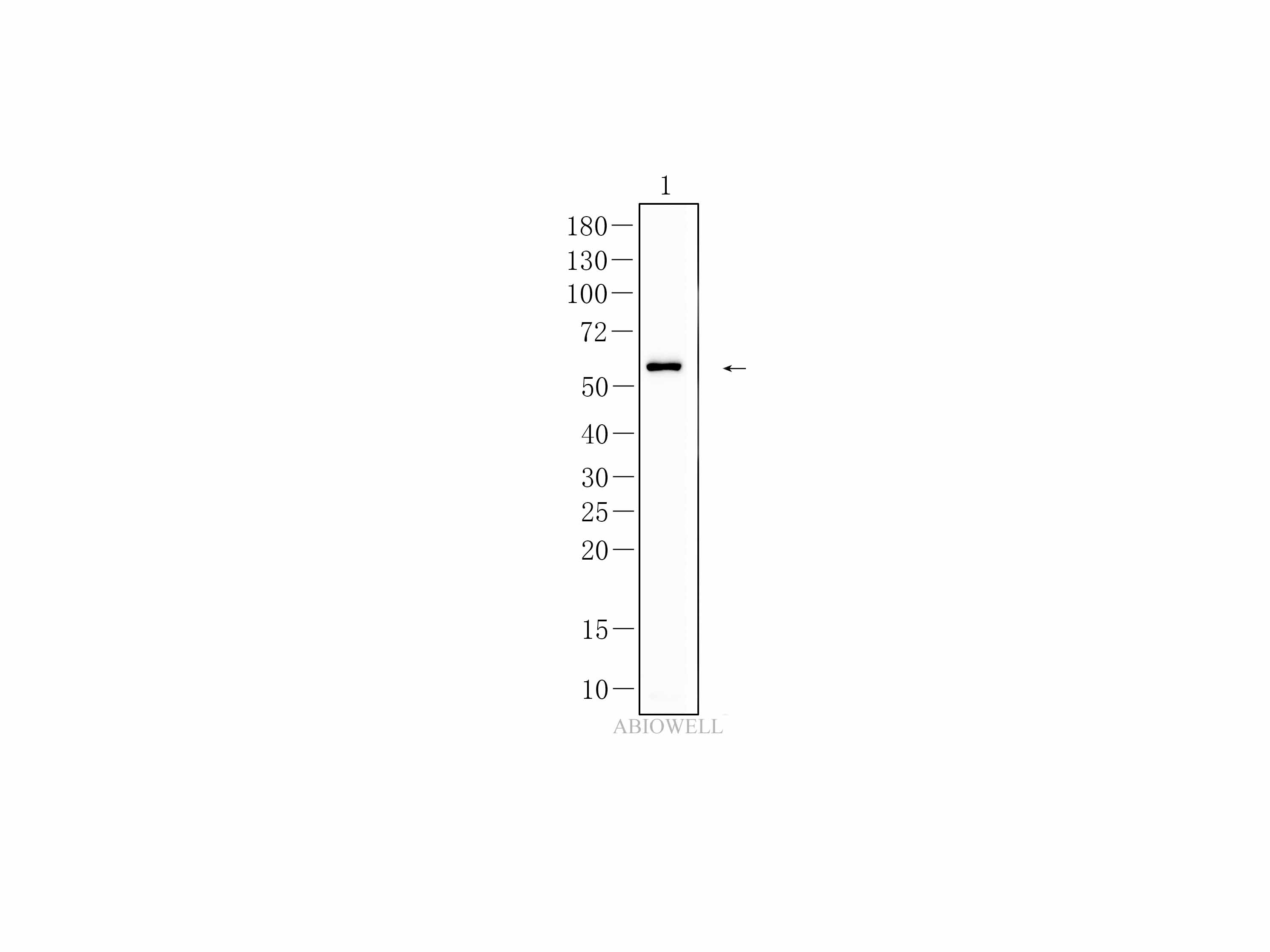
Fig : Western blot analysis of IL-1β on different lysates. Proteins were transferred to a NC membrane and blocked with 5% NF-Milk in TBST for 1 hour at room temperature. The primary antibody (AWA46641, 1/1000) was used in TBST at room temperature for 2 hours. Goat Anti-Rabbit IgG - HRP Secondary Antibody (AWS0002) at 1:5,000 dilution was used for 1 hour at room temperature. Positive control: Lane 1: LLC cell Lane 2: THP-1 cell treated with 80 nM TPA overnight and then 100 ng/ml LPS for 6 h and 300 ng/ml Brefeldin A for the last 3 h Lane 3: 5637 cell Lane 4: RAW264.7 cell Lane 5: J774A.1 cell Lane 6: 3D4/21 cell Lane 7: A549 cell Lane 8: HSC-T6 cell Lane 9: A431 cell Predicted molecular weight:31 kDa Observed molecular weight:37 kDa |
|
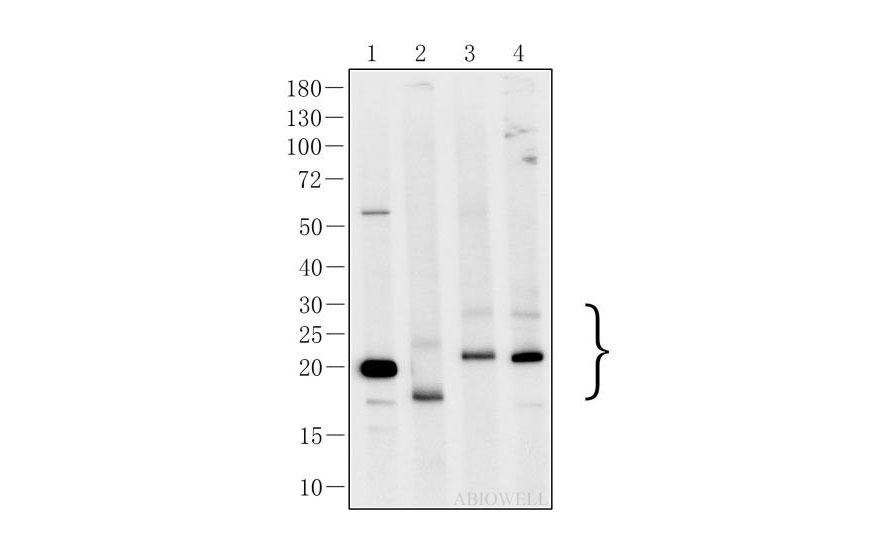
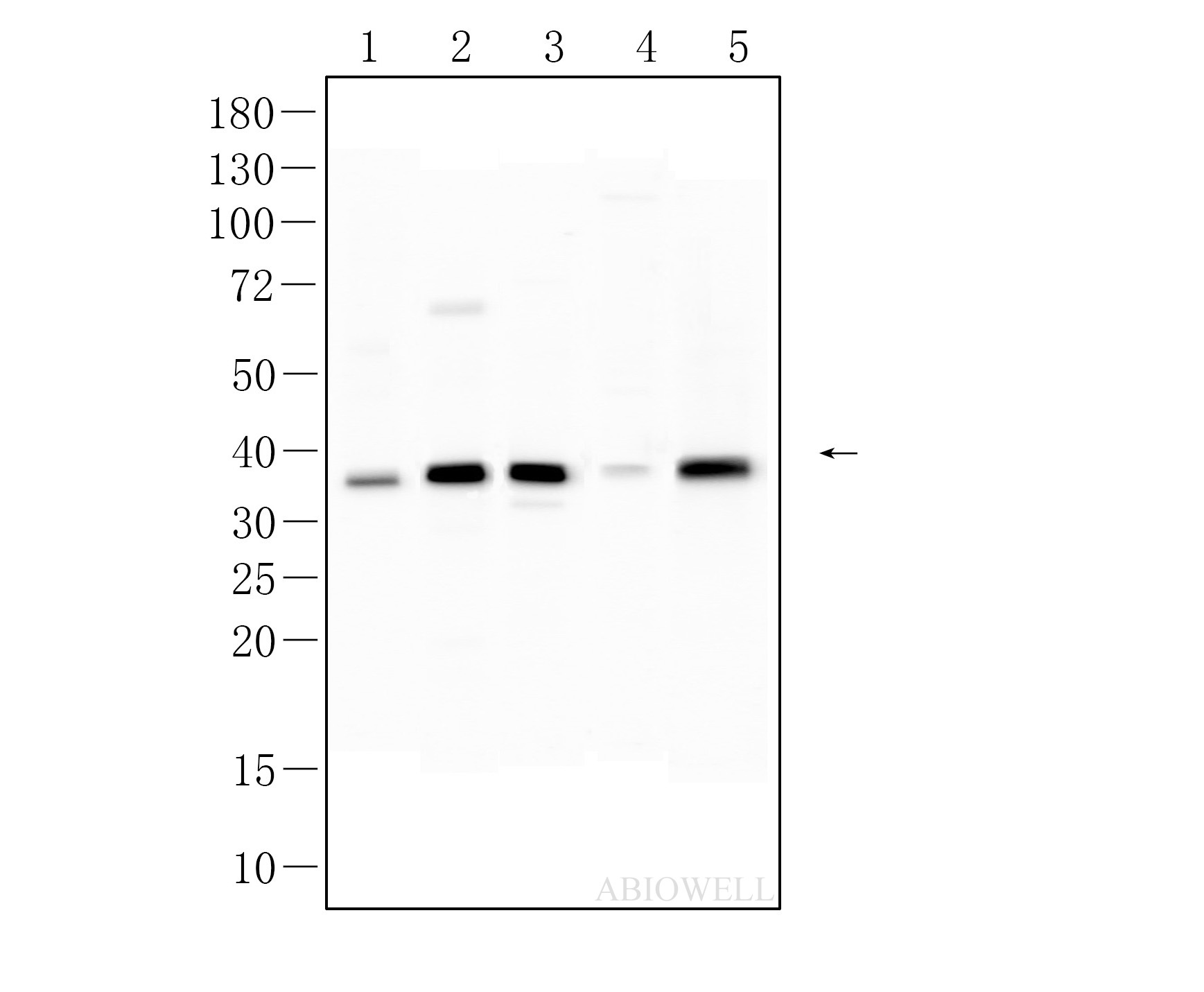
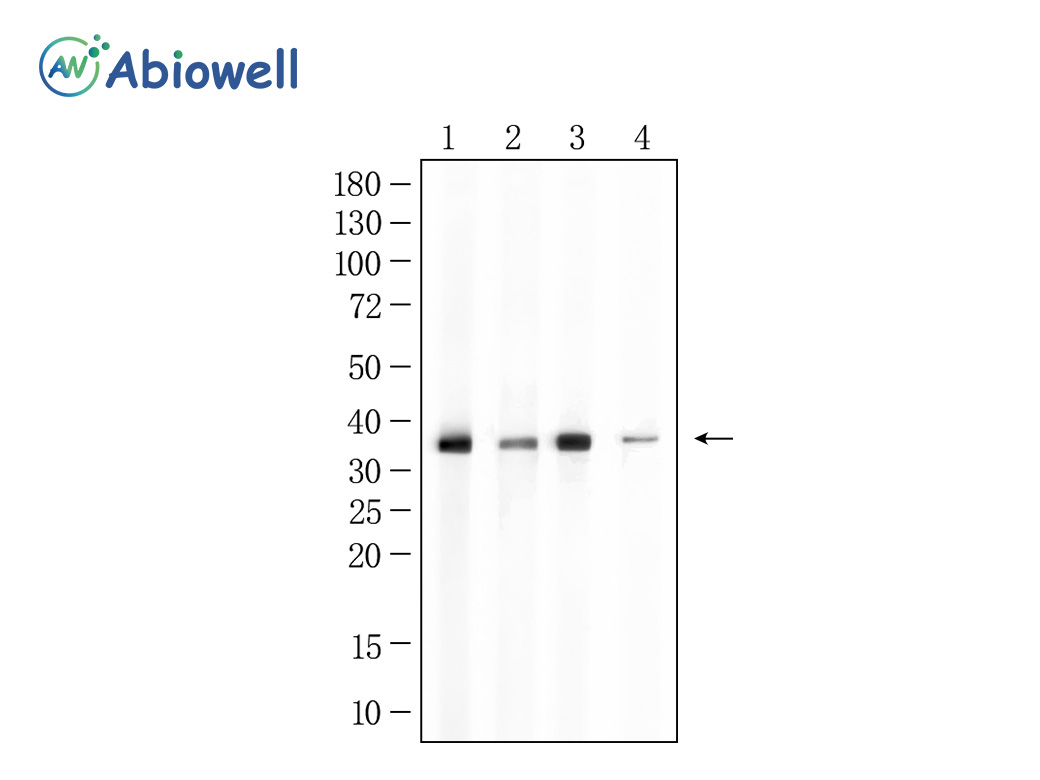
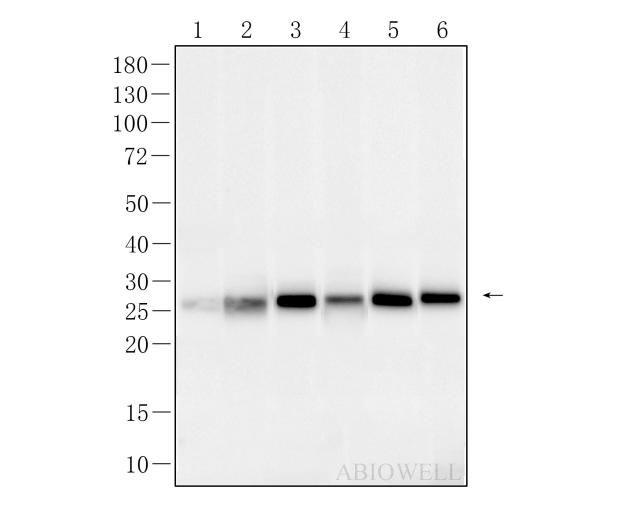
Fig : Western blot analysis of IL-1β on different lysates. Proteins were transferred to a NC membrane and blocked with 5% NF-Milk in TBST for 1 hour at room temperature. The primary antibody (AWA46641, 1/1000) was used in TBST at room temperature for 2 hours. Goat Anti-Rabbit IgG - HRP Secondary Antibody (AWS0002) at 1:5,000 dilution was used for 1 hour at room temperature. Positive control:* Lane 1: THP-1 cell Lane 2: THP-1 treated with 80nM TPA overnight and then treated with 100ng/ml LPS for 6hours and 300ng/ml Brefeldin A for the last 3hours whole cell Lane 3: Raw264.7 cell Lane 4: RAW264.7 treated with 0.1µg/ml lipopolysaccharide (LPS) for 4 hours, then with 1 µg/ml Brefeldin A (BFA) added for 5 hours whole cel Predicted molecular weight:31 kDa Observed molecular weight:~31 kDa(precursor),17 kDa(cleaved) |
|
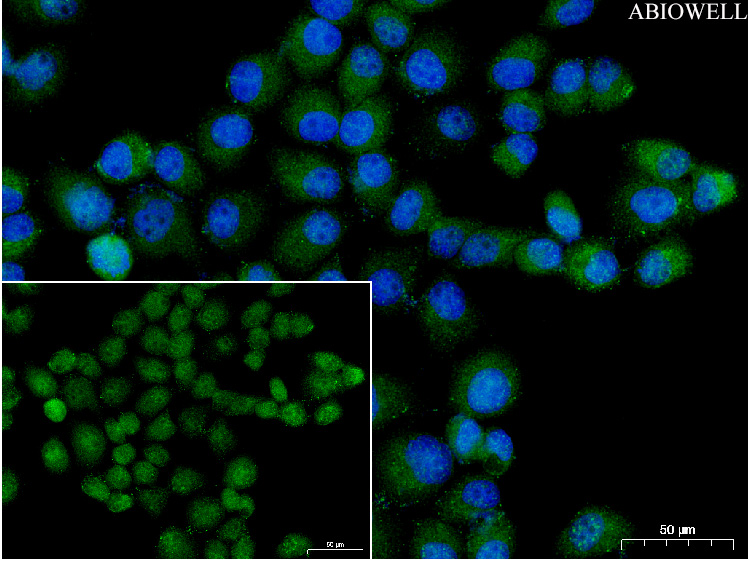
Fig: Immunocytochemistry analysis of Hela cells labeling IL-1β with Rabbit anti-IL-1β antibody (AWA46641)at 1/100 dilution(Green). Cells were fixed in 4% paraformaldehyde for 10 minutes at 37 ℃, permeabilized with 0.03% Triton X-100 in PBS for 30 minutes, and then blocked with 5% BSA for 60 minutes at 37 ℃. Cells were then incubated with Rabbit anti-IL-1β antibody (AWA46641)at 1/100 dilution in 2% negative goat serum overnight at 4 ℃. Goat Anti-Rabbit IgG H&L (iFluor™ 488, AWS0005c) was used as the secondary antibody at 1/200 dilution for 60 minutes at 37 ℃. Nuclear DNA was labelled in blue with DAPI(AWC0291). |
|
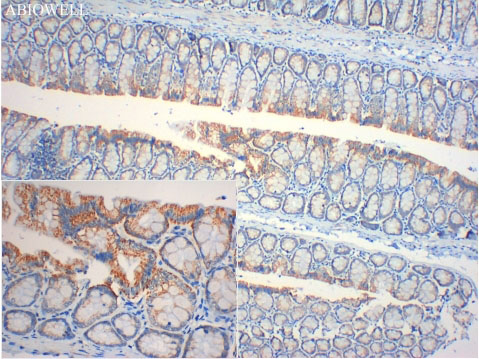
Fig : Immunohistochemical analysis of paraffin-embedded Rat-colon tissue with Rabbit anti-IL-1βantibody (AWA46641) at 1/100 dilution. The section was pre-treated using heat mediated antigen retrieval with Sodium citrate buffer (pH 6.0) for 20 minutes. The tissues were blocked in 3% H2O2 for 15 minutes at room temperature, washed with ddH2O and PBS, and then probed with the primary antibody (AWA46641) at 1/100 dilution for 1 hour at room temperature. The detection was performed using an HRP conjugated compact polymer system(ABIOWELL, AWI0629). DAB was used as the chromogen. Tissues were counterstained with hematoxylin and mounted with DPX. |
|
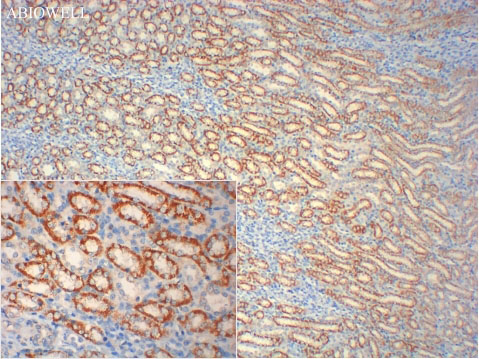
Fig : Immunohistochemical analysis of paraffin-embedded Rat-kidney tissue with Rabbit anti-IL-1βantibody (AWA46641) at 1/100 dilution. The section was pre-treated using heat mediated antigen retrieval with Sodium citrate buffer (pH 6.0) for 20 minutes. The tissues were blocked in 3% H2O2 for 15 minutes at room temperature, washed with ddH2O and PBS, and then probed with the primary antibody (AWA46641) at 1/100 dilution for 1 hour at room temperature. The detection was performed using an HRP conjugated compact polymer system(ABIOWELL, AWI0629). DAB was used as the chromogen. Tissues were counterstained with hematoxylin and mounted with DPX. |
|
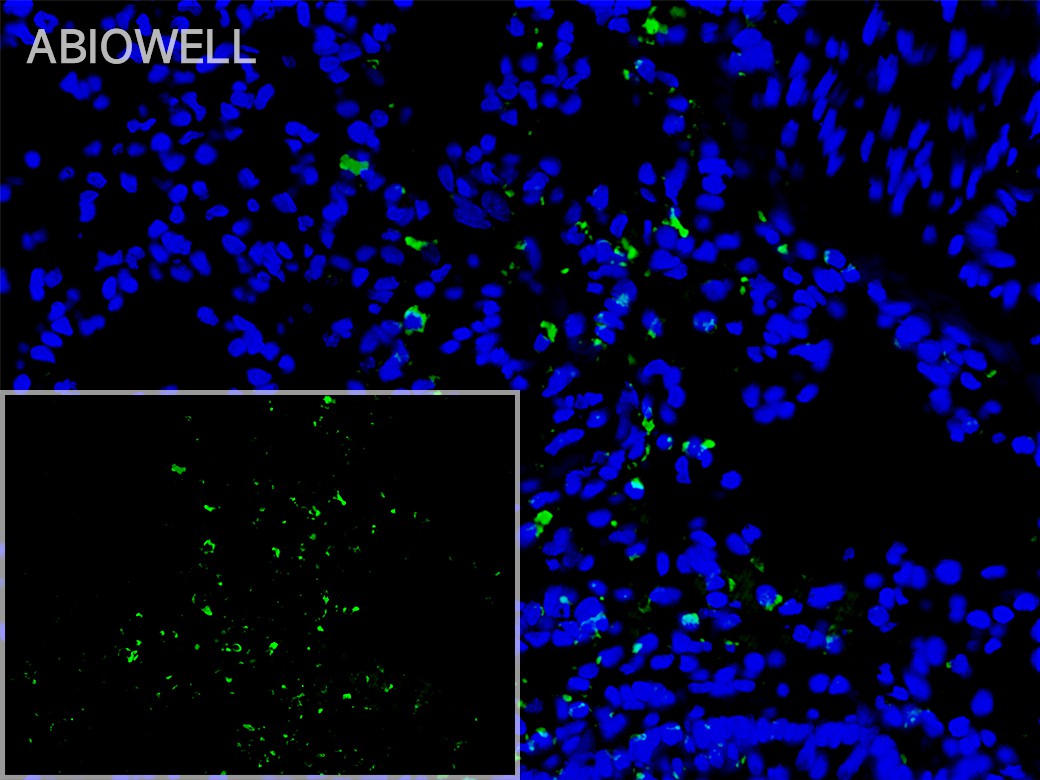
Fig: Fluorescence immunohistochemical analysis of Rat-Urinary bladder tissue (Formalin/PFA-fixed paraffin-embedded sections). with Rabbit anti-IL-1β antibody (AWA46641) at 1/200 dilution. The immunostaining was performed with the TSA Immuno-staining Kit (ABIOWELL, AWI0688). The section was pre-treated using heat mediated antigen retrieval with Sodium citrate buffer (pH 6.0) for 20 minutes. The tissues were blocked in 3% H2O2 for 15 minutes at room temperature, washed with ddH2O and PBS, and then probed with the primary antibody (AWA46641) at 1/200 dilution for 1 hour at room temperature. The detection was performed using an HRP conjugated compact polymer system followed by a separate fluorescent tyramide signal amplification system (green). DAPI (blue, AWC0291) was used as a nuclear counter stain. Image acquisition was performed with Slide Scanner. |
|
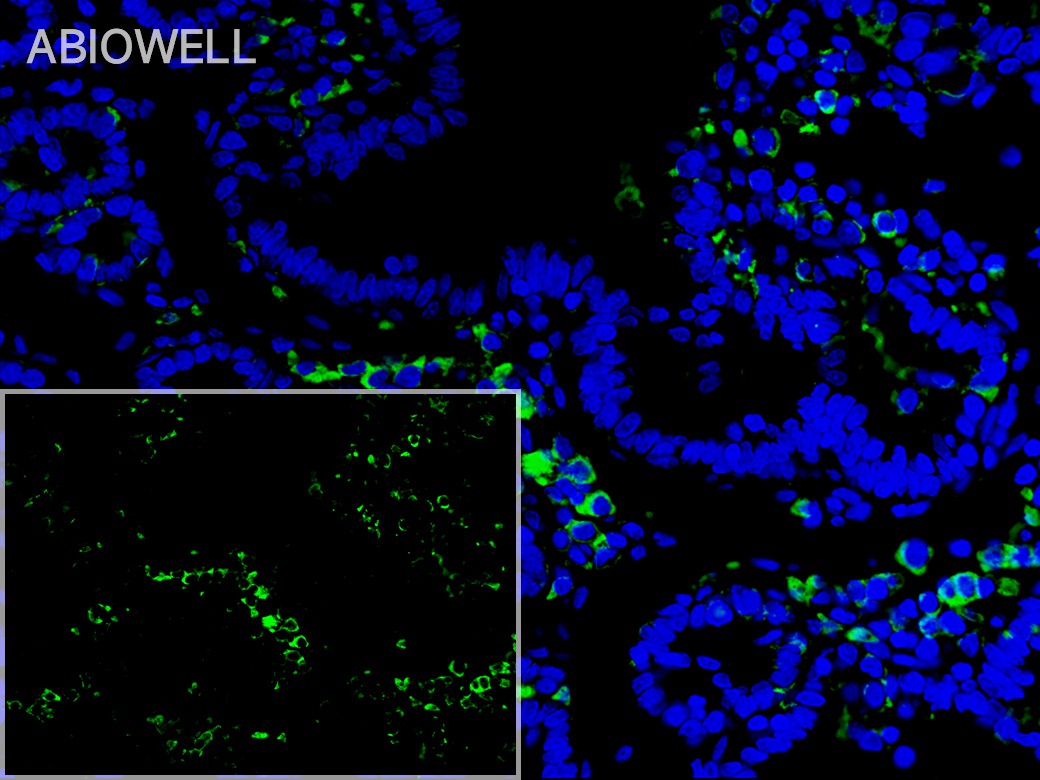
Fig: Fluorescence immunohistochemical analysis of Rat-lung tissue (Formalin/PFA-fixed paraffin-embedded sections). with Rabbit anti-IL-1β antibody (AWA46641) at 1/200 dilution. The immunostaining was performed with the TSA Immuno-staining Kit (ABIOWELL, AWI0688). The section was pre-treated using heat mediated antigen retrieval with Sodium citrate buffer (pH 6.0) for 20 minutes. The tissues were blocked in 3% H2O2 for 15 minutes at room temperature, washed with ddH2O and PBS, and then probed with the primary antibody (AWA46641) at 1/200 dilution for 1 hour at room temperature. The detection was performed using an HRP conjugated compact polymer system followed by a separate fluorescent tyramide signal amplification system (green). DAPI (blue, AWC0291) was used as a nuclear counter stain. Image acquisition was performed with Slide Scanner. |
引用文献 (5)
Background: The objective of this study is to delineate the differential gene expression patterns of neutrophils in bronchoalveolar lavage fluid (BALF) from patients with sepsis and those experiencing progression to sepsis-induced acute respiratory distress syndrome (SI-ARDS). Additionally, we aim to comprehensively profile the transcriptomic landscape of neutrophils in BALF from patients with sepsis and SI-ARDS, particularly focusing on cases caused by specific bacterial pathogens. Methods: Patients with confirmed sepsis ( n = 14) or SI-ARDS ( n = 11) were recruited. Besides, a control group consisting of patients with unrelated diseases ( n = 7) who required bronchoscopy was also included (cohort 1). We collected the neutrophils in BALF from participants in cohort 1. To validate the identified differentially expressed genes (DEGs) and evaluate neutrophil apoptosis, an additional cohort (cohort 2) was recruited, consisting of 5 healthy controls, 10 patients with sepsis, and 10 patients with SI-ARDS. Peripheral blood neutrophils were collected from participants in cohort 2 for further analysis. DEGs between SI-ARDS patients and controls, sepsis patients and controls, as well as SI-ARDS patients and sepsis patients were identified. And, publicly available datasets were downloaded to compare with local results. Additionally, the DEGs were also identified between patients infected with drug-resistant Klebsiella pneumoniae and those infected with other bacterial pathogens. Furthermore, a third cohort (cohort 3) consisting of 57 sepsis patients and 46 SI-ARDS patients was recruited for investigating the prognostic significance of neutrophils in SI-ARDS. Results: In cohort 1, 8/14 of the septic patients and 6/11 of the SI-ARDS patients were affected by drug-resistant Klebsiella pneumonia. There were 9921 DEGs between sepsis patients and controls, 10,252 DEGs between SI-ARDS patients and controls, and 24 DEGs between SI-ARDS and sepsis patients in neutrophils from BALF. Notably, fatty acid-binding protein 4 (FABP4) exhibited significant downregulation in SI-ARDS patients. In cohort 2, peripheral blood analysis confirmed consistent trends, demonstrating that FABP4 expression was decreased, which contributed to the attenuation of neutrophil apoptosis. And FABP4 inhibitor-induced apoptosis resistance was reversed by a phosphatidylinositol 3 kinase (PI3K)/protein kinase B (AKT) inhibitor. Furthermore, survival analysis revealed that SI-ARDS patients with low levels of neutrophil FABP4 expression exhibited poor survival. Additionally, 520 overlapping DEGs were identified between the sepsis and control group comparisons and the SI-ARDS and sepsis group comparisons. Among these overlapping DEGs, 85% were downregulated, predominantly targeting immune-related pathways, whereas a smaller subset was upregulated, mainly associated with metabolism. DEGs in neutrophils in BALF of SI-ARDS and controls notably overlapped with those in neutrophils in peripheral blood. Importantly, DEGs in sepsis/SI-ARDS caused by drug-resistant Klebsiella pneumoniae differed from DEGs in sepsis/SI-ARDS caused by other bacteria. Additionally, FABP4 expression consistently decreased, attenuating neutrophil apoptosis. Conclusions: The downregulation of FABP4 in neutrophils was found to inhibit apoptosis through the activation of the PI3K/AKT signaling pathway. Importantly, the expression level of FABP4 in neutrophil emerged as a prognostic indicator for sepsis and SI-ARDS patients, suggesting its potential utility in clinical decision-making to address the challenges posed by this condition.
Background Pyroptosis is inflammation-associated programmed cell death triggered by activation of the NOD-like receptor protein 3 (NLRP3) inflammasome, which plays a crucial role in acute soft tissue injury (ASTI). This study aimed to explore whether methyltransferase-like 3 (METTL3) can regulate NLRP3 expression through N6-methyladenosine (m6A) modification to mediate endothelial cell pyroptosis and thus affect soft tissue injury.Methods An experimental ASTI rat model was created by inducing muscle injury through striking the rat muscle. In vitro, an ASTI cell model was established using human umbilical vein endothelial cells (HUVECs) stimulated with lipopolysaccharide (LPS) and ATP. The severity of ASTI in rats was evaluated using H&E staining. To assess protein levels, Western blot and Immunohistochemistry (IHC) analyses were performed, focusing on METTL3, pyroptosis-associated proteins, and m6A reader proteins. Immunofluorescence (IF) assay was conducted to examine the expression of NLRP3 and CD31. The levels of inflammatory cytokines were measured using an ELISA assay, while flow cytometry was used to detect levels of ROS and cellular pyroptosis. The m6A levels in cells were analyzed by RNA m6A colorimetry. The interactions between METTL3 and NLRP3, and YTHDF1 and NLRP3 were analyzed using RIP and RNA pull-down assays, respectively.Results METTL3 and YTHDF1 were significantly upregulated in ASTI rats and LPS-ATP-induced HUVECs. Knockdown of METTL3 ameliorated ASTI and inhibited cellular pyroptosis. Knockdown of METTL3 reduced the levels of total m6A and NLRP3 m6A in HUVECs and suppressed NLRP3 expression. Meanwhile, knockdown of YTHDF1 decreased NLRP3 protein expression without affecting NLRP3 mRNA levels. In addition, overexpression of NLRP3 was able to reverse the effect of METTL3 on LPS-ATP-induced endothelial cell pyroptosis.Conclusion The METTL3/m6A reader protein YTHDF1 regulates endothelial cell pyroptosis by enhancing NLRP3 expression to affect soft tissue injury.
Objective Stem cell therapy is expected to become a new treatment for central nervous system damage associated with perinatal hypoxic-ischemic encephalopathy (HIE), but the specific effects are unknown. This study explores the effects of human umbilical cord blood (HUCB) cells-secreted exosomal (HUCB-ex) MFG-E8 in neonatal rats with hypoxic-ischemic brain damage (HIBD), aiming to gain a theoretical foundation for the cure of perinatal HIE. Methods HIBD model was constructed in the Sprague Dawley rats (7-day-old). Rats were then intervened with 1×10 6 HUCB cells, HUCB-ex, or HUCB-ex oe-MFG-E8 , and HUCB-ex si-MFG-E8 . Primary microglia from rats were induced with oxygen-glucose deprivation and re-oxygenation (OGD/R), then co-cultured with either HUCB or primary neuronal cells, and subjected to treatment with HUCB-ex, HUCB-ex oe-MFG-E8 , HUCB-ex si-MFG-E8 , or Stattic. The expression of polarization factors and secreted factors in the microglia was measured using RT-qPCR, immunofluorescence, and western blot. Neuronal cell damage was assessed using MTT assays and flow cytometry. Behavioral impairments and brain tissue damage in the rats were evaluated using assays including the geotaxis reflex, cliff avoidance response, grip strength test, hematoxylin-eosin staining, TTC staining, and immunofluorescence. Results Early intervention with HUCB cells in HIBD rats increased test scores, decreased brain tissue weight, infarct area, as well as the IL-6, TNF-α, and IL-1β levels, and increased MFG-E8 levels. HUCB cells also decreased the levels of CD11b/c + CD45hi cells in HIBD rat brain tissue, and increased the levels of CD206 + CD11b/c + cells. In vitro experiments confirmed high expression of MFG-E8 in HUCB-ex. HUCB-ex si-MFG-E8 inhibited M2 polarization and induced neuronal cell injury through the SOCS3/STAT3 pathway. HUCB-ex and HUCB cells have equivalent therapeutic effects in HIBD rats. The treatment effectiveness of HUCB-ex was improved after delivering HUCB-ex oe-MFG-E8 , while was blocked after delivering HUCB-ex si-MFG-E8 . Conclusions HUCB-ex oe-MFG-E8 promoted M2 polarization of microglial and inhibited neuronal cell apoptosis through the SOCS3/STAT3 pathway, to alleviate behavioral disorders and brain tissue damage in HIBD rats.
Objective: The purpose of this study is to explore the effective components and molecular targets of Danggui Buxue decoction (DBD) combined with borneol (DBD&Bor) in alleviating myelosuppression.Methods: A network pharmacology strategy was used to identify the active components and key targets of DBD&Bor in the context of myelosuppression. In vivo, the effects of the DBD&Bor and its effective components on cyclophosphamide (CTX)-induced myelosuppression in rats were evaluated through immunohematological analysis, histopathological analysis, and organ index analysis. In vitro, the impact of the effective components of DBD&Bor on CTX-stimulated apoptosis and cell cycle of K562 cells was analyzed using flow cytometry. Finally, the recovery experiment was used to verify further the relationship between the effective ingredient and the target.Results: Network pharmacology and ultrahigh-performance liquid chromatography–tandem mass spectrometry analysis revealed that the principal components, catechin, isorhamnetin, and erythrodiol, in DBD&Bor may function as a prospective antimyelosuppression compound. Animal experiments demonstrated that in DBD&Bor, catechin and isorhamnetin could reverse the reduction in hematopoietic stem cell number, the production of stem cell marker (C-kit), and blood cell counts induced by CTX in rats. In addition, CD3, CD4, and CD8α are significantly increased in peripheral blood mononuclear cells, and thymic and splenic pathological damage is significantly attenuated. Also, the improvement effect of catechin was more noticeable. Therefore, the authors chose catechin for further study. Nevertheless, in vivo, overexpression of CDK2 negated the beneficial effects of catechin on myelosuppression. In vitro experiments demonstrated that catechin reduced CTX-induced apoptosis and cell cycle arrest in K562 cells by inhibiting CDK2.Conclusion: The primary component catechin in DBD&Bor inhibits the expression of CDK2, improving CTX-induced myelosuppression in rats and inhibiting apoptosis and cell cycle arrest in K562 cells.
This study aimed to explore the potential of using mesenchymal stem cell (MSC)-derived exosomes (MSC-Exos) pre-treated with Astragaloside IV (ASIV) to alleviate inflammation in high glucose (HG)-damaged endothelial cells. MSC-Exos were isolated from untreated MSCs and ASIV-pre-treated MSCs, and their characteristics were assessed. The expression of miR-146a-5p in MSC-Exos was determined, and it was found that ASIV treatment enhanced its expression. In order to assess the impact of highly miR-146a-5p-expressing MSC-Exos on HG-injured endothelial cells, we established a model of HG-induced inflammation using human umbilical vein endothelial cells (HUVECs). The study measured cell viability, apoptosis, tube formation, and levels of inflammatory cytokines among the different treatment groups. It was found that transferring MSC-Exos with high miR-146a-5p expression to HG-damaged HUVECs increased cell viability and tube formation ability while reducing the number of apoptotic cells. Additionally, changes in inflammatory factors indicated a reduction in the inflammatory response. Further investigation demonstrated that miR-146a-5p inhibited the expression of TNF receptor associated factor 6 (TRAF6) and phosphorylated NF-κB, which are involved in the inflammatory response. This resulted in the alleviation of inflammation in HG-damaged endothelial cells. In summary, our findings indicate that ASIV treatment stimulated the secretion of MSC-Exos that exhibited increased levels of miR-146a-5p. These exosomes, in turn, regulated the TRAF6/NF-κB pathway. As a result of this modulation, the inflammatory response in HG-damaged endothelial cells was alleviated. These findings offer a fresh approach to addressing vascular complications associated with diabetes, which could lead to novel treatment strategies in the field.
-
-
- 20μL
- ¥620
- 1-3个工作日
-
- 50μL
- ¥1250
- 1-3个工作日
-
- 100μL
- ¥2200
- 1-3个工作日
-
相关产品
-
CD31 Recombinant Rabbit Monoclonal Antibody
Occludin Recombinant Rabbit Monoclonal Antibody
Occludin Recombinant Mouse Monoclonal Antibody
O-Linked N-Acetylglucosamine Recombinant Mouse Monoclonal Antibody
Biotin Recombinant Rabbit Monoclonal Antibody
Biotin Recombinant Mouse Monoclonal Antibody
RUNX2 Recombinant Mouse Monoclonal Antibody
KiSS-1R Recombinant Rabbit Monoclonal Antibody