细胞及相关产品

联系我们CONTACT US

  • 172 6727 7467
    24小时服务热线
  • 销售邮箱

293T(HEK-293T) (人胚肾细胞)(STR鉴定)

一键复制产品信息

货号:AW-CNH086

价格:¥900

规格:1×10⁶cells

  • 产品概述
  • 细胞描述:

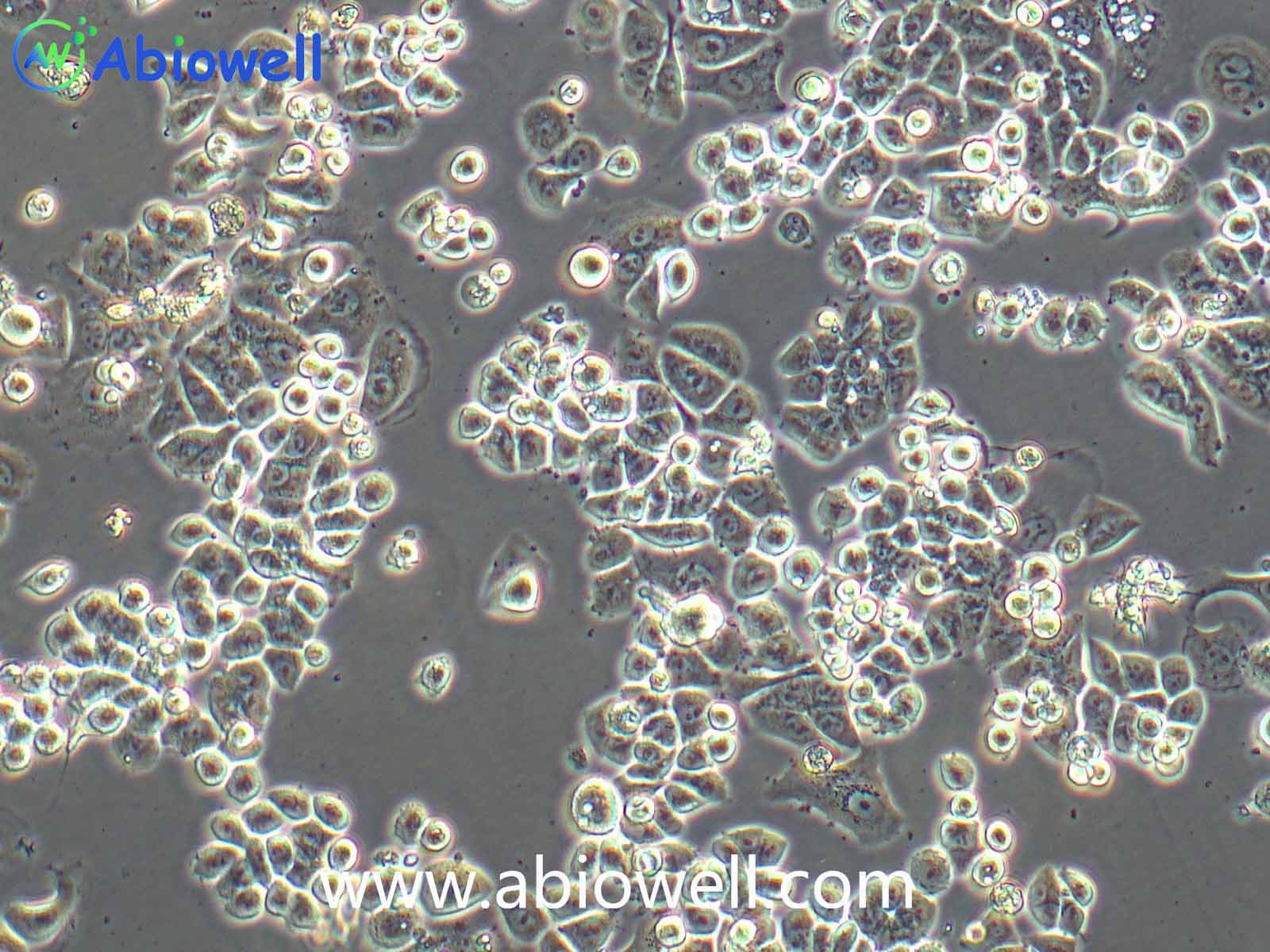
    HEK-293T细胞是293T(293tsA1609neo)细胞系(ATCC CRL-11268)的衍生物。细胞持续表达SV40抗原,该细胞常用于转染实验,转染效率较高。(转染一般以50%密度铺板,待细胞刚刚贴到皿壁上后(一般8-10小时),即可进行转染操作)。

    细胞特性:

    1) 来源:人胚胎肾脏

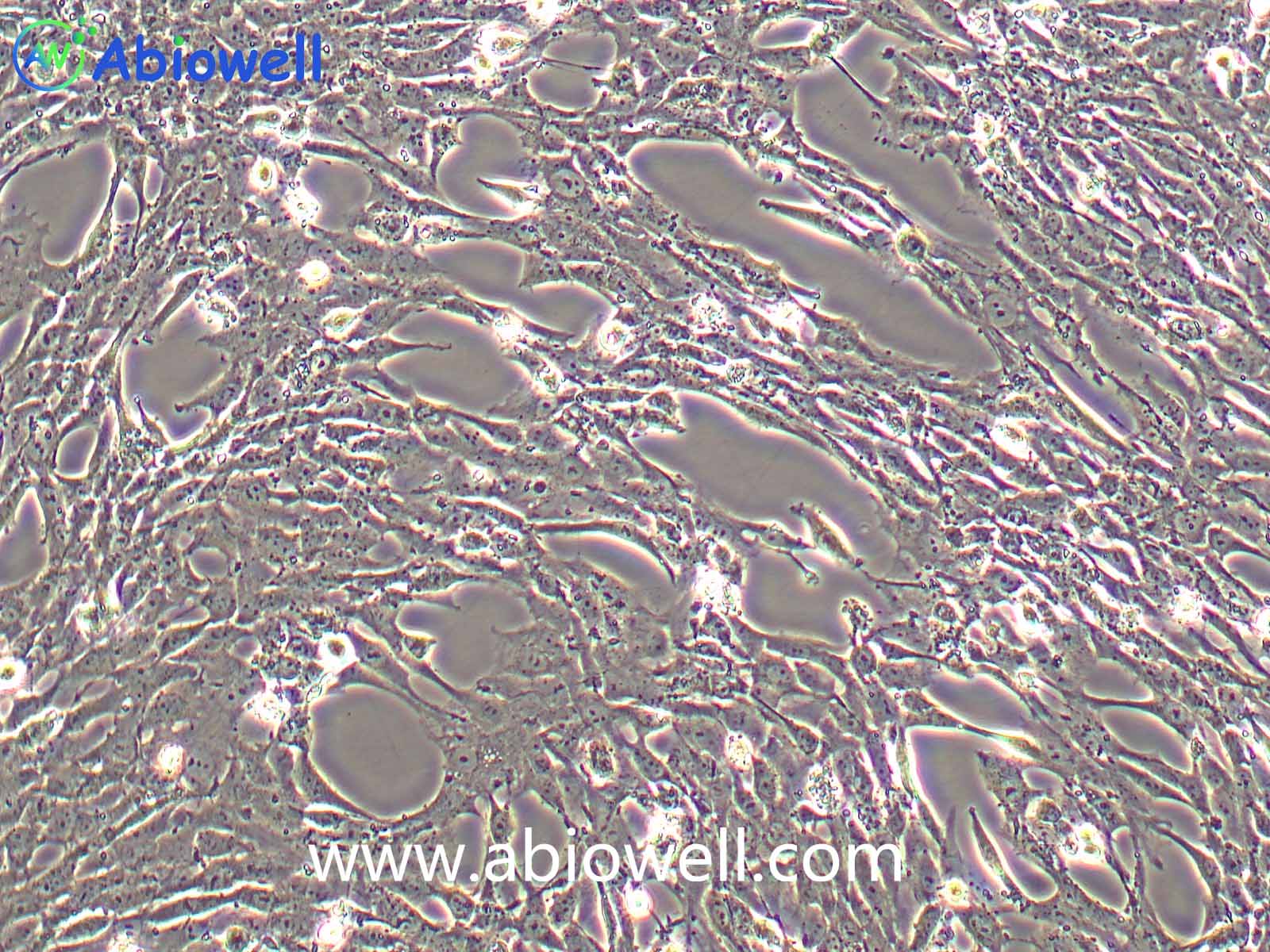
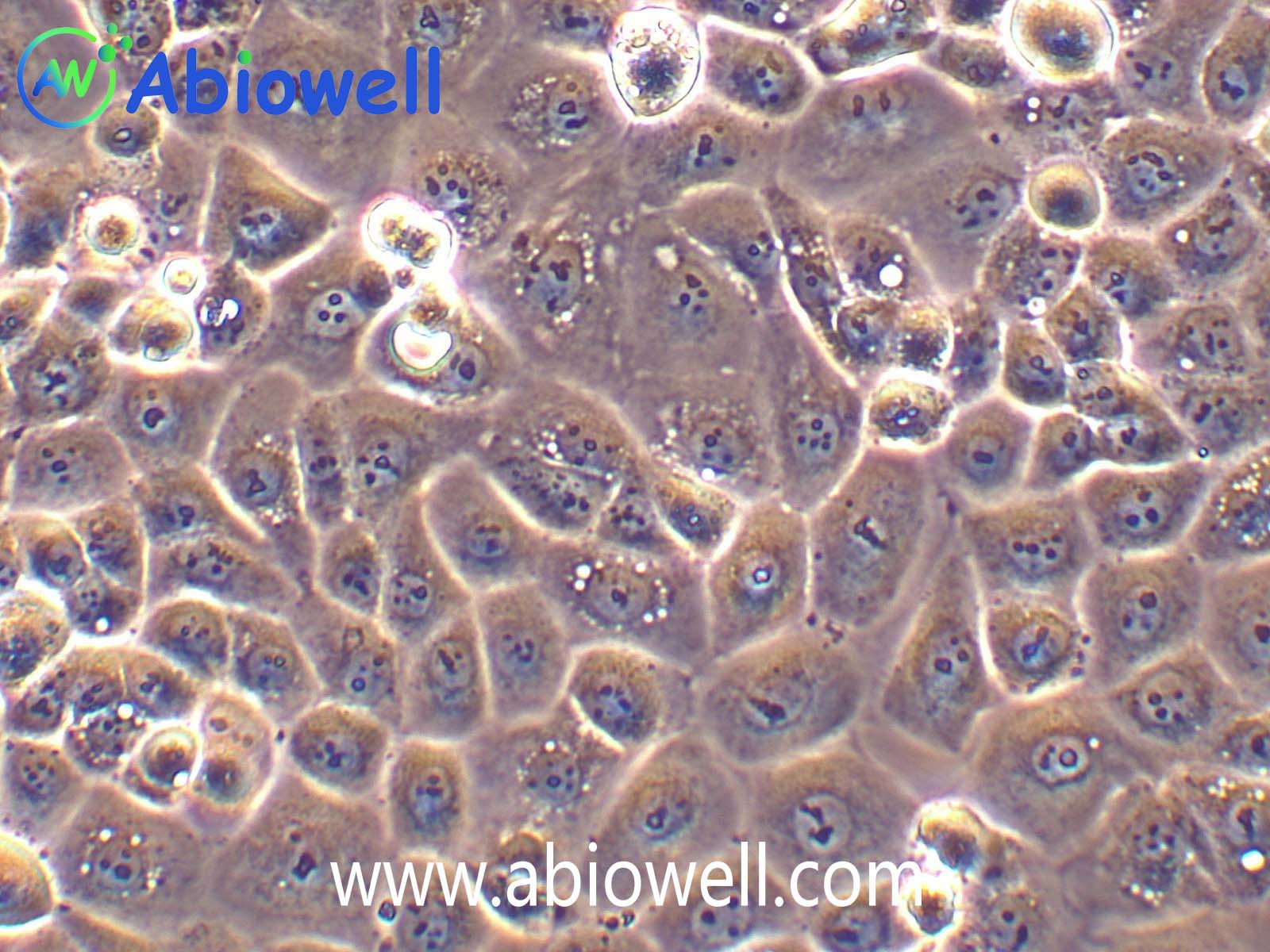
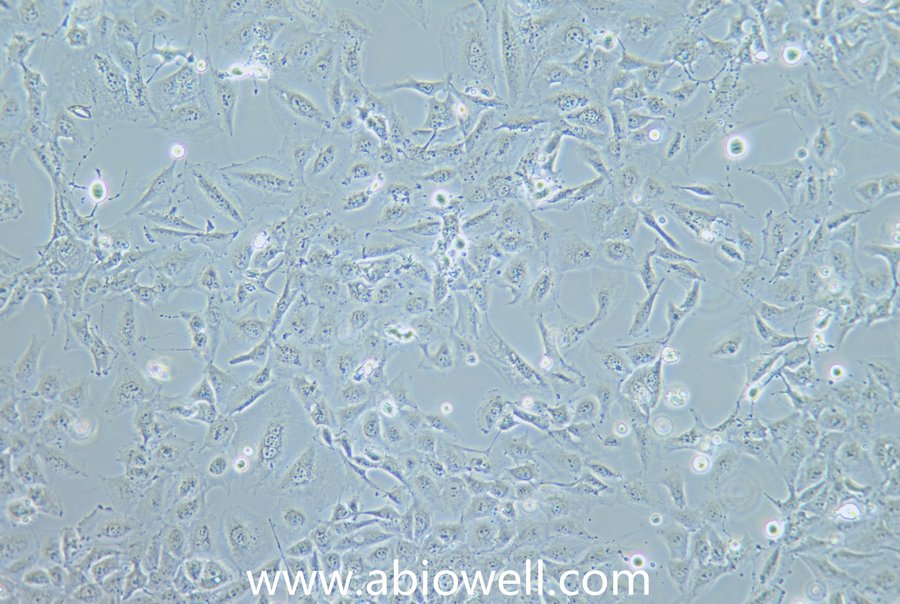
    2) 形态:上皮细胞样,贴壁生长,贴壁能力较弱

    3) 规格:1×10⁶cells

    4) 培养条件:DMEM+10%FBS+1%P/S  (推荐货号AW-MC001)

                           空气,95%;二氧化碳,5%

                           37℃

    特殊说明:

    该细胞贴壁松散,操作时请尽量轻柔;换液时需预热培养基;收货如有大块脱落的细胞团,为正常现象,请按照收货注意事项处理。


    细胞接收后的处理:

    1) 收到细胞后,活细胞首先观察培养瓶是否完好,培养液是否漏液,培养基是否浑浊;冻存细胞是否干冰已挥发完,冻存管盖是否脱落,破碎,若有这类情况,请务必拍照记录,并于收货24h内与我们联系。

    2) 细胞处理:

    复苏的细胞:如果是T-25培养瓶活细胞,收到后请用75%的酒精对培养瓶表面进行消毒处理,然后转入培养箱中静置2~3h后再进行后续处理。

    备注:运输用的培养基不宜再次用来培养细胞,请按照说明书新配置完全培养基来培养细胞。  

    冻存细胞:如果是干冰运输的冻存细胞,收到后请立即转入液氮存储或者短暂(24h)放置-80度冰箱保存,或者直接进行细胞复苏。


    细胞复苏、传代及冻存流程参考:

    1、 细胞复苏

    1) 配制完全培养基:基础培养基+胎牛血清+双抗(特殊培养基特殊配置);

    2) 细胞复苏:取5ml完全培养基于15ml离心管中,37℃水浴锅预热,从液氮管(或者-80度冰箱)中快速取出冻存的细胞,放入37℃水浴锅中,摇晃使快速化冻(1min左右),然后将化冻的细胞和预热的培养基,移入超净工作台中,化冻的细胞加入到含预热培养基的15ml离心管中,1000rpm离心5min;

    3) 吸弃上清,得到细胞沉淀,用2ml完全培养基轻轻重悬细胞,加入到T25培养瓶中,做好标记,放入37℃,5%CO2饱和适度培养箱中培养(培养皿复苏效果更好);

    4) 24h后,观察细胞贴壁情况(未贴壁的即为死细胞--针对贴壁细胞),吸弃旧培养基,加入新鲜的预热(室温或37℃)的完全培养基,继续培养。

    2、 细胞传代

    1) 待细胞生长到80%-90%汇合度时,吸弃旧的培养基,加入1ml无菌PBS润洗一次,以去除残余的培养基及血清(血清含有胰酶的抑制因子),然后加入1ml 0.25%胰酶,37℃培养箱中消化(1~2min左右,不同细胞消化时间不同),取出细胞,镜下观察细胞至细胞皱缩变圆;

    2) 加入1ml完全培养基(含FBS)终止消化,轻轻拍打,使细胞脱落下来成单个细胞悬液,收集细胞于15ml无菌离心管中,1000rpm,离心5min;

    3) 收集细胞沉淀,完全培养基重悬,一分为二(可根据细胞生长速度调整比例),分别加入到2个新的培养瓶中,做好标记,放入培养箱中培养。

    3、细胞冻存

    1) 按照细胞传代方法,在超净工作台内消化收集细胞沉淀,取少量细胞用于计数;

    2) 用预冷的1ml冻存液(90%完全培养基+10%DMSO)或者无血清细胞冻存液重悬细胞,加入到1.2ml冻存管中,密度为1*106个/ml。

    3) 放入程序冻存盒,-80℃过夜后,转入液氮长期保存。

    参考文献 (15)

    ADVANCED FUNCTIONAL MATERIALS IF:19

    Acute kidney injury (AKI) presents a significant clinical challenge, driven by oxidative stress and inflammatory responses. To address these pathological factors, a biohybrid nanoplatform, ESAK1, is developed by integrating a gold cluster artificial enzyme (AU), an extracellular vesicle obtained from genetically engineered renal tubular epithelial cell (tecEV), and a kidney injury-targeting peptide (ktPep) via a bio-orthogonal SnoopCatcher-SnoopTag system derived from Streptococcus pneumoniae adhesins. Upon intravenous administration to mice with AKI, ESAK1 preferentially accumulates in injured renal tissues through ktPep-mediated targeting. Subsequently, the AU component, exhibiting superior superoxide dismutase- and catalase-like activities, scavenges excess reactive oxygen species (ROS) in situ, alleviating oxidative stress and simultaneously protecting the tecEV from ROS-induced damage. Consequently, the tecEV exerts potent anti-inflammatory effects, acting synergistically with oxidative stress neutralization to enhance the therapeutic efficacy. This dual-action mechanism facilitates the activation of endogenous repair mechanisms, promoting kidney recovery, as evidenced by significantly reduced levels of serum creatinine and urea, diminished renal histopathological damage, decreased inflammatory cytokines, and enhanced expression of repair-associated proteins. By integrating targeted delivery, anti-oxidant defense, and anti-inflammatory properties into a single platform, ESAK1 offers a promising multi-faceted approach for advanced kidney-protective therapies and even broader inflammatory diseases.

    Cell Death & Disease IF:9.6

    Ovarian cancer (OC) is often detected at an advanced stage and has a high recurrence rate after surgery or chemotherapy. Thus, it is essential to develop new strategies for OC treatment. This study tended to investigate the effects of endothelial cell-specific molecule 1 (ESM1) in OC. The impact of ESM1 on lipid metabolism was investigated through the regulation of ESM1 expression. Differential genes regulated by ESM1 were screened by mRNA sequencing. The role of autophagy in ESM1 regulation on lipid metabolism was explored using autophagy inhibitor chloroquine (CQ). Co-IP, dual-luciferase reporter assay, actinomycin D treatment assay, and others were used to analyze the mechanism of ESM1 regulation on lipid metabolism. The xenograft mouse model was constructed to explore the impact of ESM1 regulation on OC development. The regulatory mechanism of ESM1 in OC patient samples was verified by using microarray analysis and the Log-rank (Mantel-Cox) test. After ESM1 silencing, cholesterol synthesis decreased and lipolysis increased. mRNA sequencing revealed that ESM1 regulation on lipid metabolism was related to Beclin 1 (BECN1). In vitro experiments, ESM1 inhibited lipolysis by suppressing BECN1-mediated autophagy. BECN1 expression was regulated by the transcription factor Kruppel-like factor 10 (KLF10). The competitive binding between BECN1 and HSPA5 promoted the ubiquitination degradation of HMGCR, thereby inhibiting cholesterol production. The intervention experiment with exogenous cholesterol showed a positive correlation between m6A reader IGF2BP3 expression and cholesterol content. Mechanistically, IGF2BP3 regulated the stability of ESM1 mRNA. In vivo experiments, ESM1 modified by m6A methylation promoted cholesterol synthesis and inhibited lipolysis. High expression of ESM1 predicted poor prognosis in OC patients. ESM1 regulated lipid metabolism through IGF2BP3/ESM1/KLF10/BECN1 positive feedback, which was a promising target for OC treatment.

    CELL BIOLOGY AND TOXICOLOGY IF:5.9

    Background Mitochondrial dysfunction affects the development of ovarian cancer (OC). ETV4 is involved in mitochondrial fusion. The regulatory pathways of ETV4 in OC cells have not been further investigated. In this study, we aimed to explore the effects of ETV4 on OC development and analyze the downstream regulatory pathways of ETV4. Methods The expression of ETV4 in OC cell lines (SK-OV-3, HEY, A2780, and OVCAR-3) was verified. After silencing ETV4, indicators related to mitochondrial function, including ATP level, mitochondrial membrane potential, mitochondrial DNA (mtDNA), and mitochondrial ROS (mtROS), were analyzed. The expression of mitochondrial fission/fusion-related markers (Mfn1, Mfn2, OPA1, DRP1, MFF, and FIS1) was detected. In vivo experiments were used to verify the effect of ETV4 on OC development. Results The TCGA-OV data indicated that ETV4 was highly expressed in OC. Silencing ETV4 inhibited the proliferation of OC cells. Mitochondrial membrane potential and ATP levels increased after ETV4 silencing, while mtDNA and mtROS levels decreased. ETV4 silencing promoted Mfn2 protein expression but did not affect Mfn2 mRNA level. Mfn2-associated E3 ubiquitin ligase MARCH9 was targeted and regulated by ETV4. MARCH9 overexpression alleviated the regulation of ETV4 silencing on mitochondrial function in OC cells. Lysosomal inhibitor CQ blocked the degradation of ubiquitinated Mfn2 protein. MARCH9 was found to mediate robust ubiquitination of Mfn2 via the K63-linked ubiquitination. Conclusions ETV4 was highly expressed in OC and involved in the regulation of mitochondrial function. ETV4 regulated Mfn2 ubiquitination linked by K63 by regulating MARCH9.

    iScience IF:5.8

    The clinical application of anthracyclines such as doxorubicin (DOX) is limited due to their cardiotoxicity. N6-methyladenosine (m 6 A) plays an essential role in numerous biological processes. However, the roles of m 6 A and m 6 A demethylase ALKBH5 in DOX-induced cardiotoxicity (DIC) remain unclear. In this research, DIC models were constructed using Alkbh5 -knockout (KO), Alkbh5 -knockin (KI), and Alkbh5 -myocardial-specific knockout (ALKBH5 flox/flox, αMyHC-Cre ) mice. Cardiac function and DOX-mediated signal transduction were investigated. As a result, both Alkbh5 whole-body KO and myocardial-specific KO mice had increased mortality, decreased cardiac function, and aggravated DIC injury with severe myocardial mitochondrial damage. Conversely, ALKBH5 overexpression alleviated DOX-mediated mitochondrial injury, increased survival, and improved myocardial function. Mechanistically, ALKBH5 regulated the expression of Rasal3 in an m 6 A-dependent manner through posttranscriptional mRNA regulation and reduced Rasal3 mRNA stability, thus activating RAS3, inhibiting apoptosis through the RAS/RAF/ERK signaling pathway, and alleviating DIC injury. These findings indicate the potential therapeutic effect of ALKBH5 on DIC.

    Communications Biology IF:5.2

    MiRNAs in mesenchymal stem cells (MSCs)-derived exosome (MSCs-exo) play an important role in the treatment of sepsis. We explored the mechanism through which MSCs-exo influences cognitive impairment in sepsis-associated encephalopathy (SAE). Here, we show that miR-140-3p targeted Hmgb1 . MSCs-exo plus miR-140-3p mimic (Exo) and antibiotic imipenem/cilastatin (ABX) improve survival, weight, and cognitive impairment in cecal ligation and puncture (CLP) mice. Exo and ABX inhibit high mobility group box 1 (HMGB1), IBA-1, interleukin (IL)-1β, IL-6, iNOS, TNF-α, p65/p-p65, NLRP3, Caspase 1, and GSDMD-N levels. In addition, Exo upregulates S-lactoylglutathione levels in the hippocampus of CLP mice. Our data further demonstrates that Exo and S-lactoylglutathione increase GSH levels in LPS-induced HMC3 cells and decrease LD and GLO2 levels, inhibiting inflammatory responses and pyroptosis. These findings suggest that MSCs-exo-mediated delivery of miR-140-3p ameliorates cognitive impairment in mice with SAE by HMGB1 and S-lactoylglutathione metabolism, providing potential therapeutic targets for the clinical treatment of SAE.

    Comprehensive Physiology IF:5.2

    Cancer-associated fibroblasts (CAFs) interact with tumor cells in the tumor microenvironment (TME), enhancing glycolysis in CAFs and tumor malignancy. However, the regulatory mechanisms between hepatoblastoma (HB) cells and CAFs are unclear. This study aimed to elucidate the crosstalk mechanism between HB cells and CAFs and identify a new therapeutic target for HB. Exosomes were successfully extracted from Huh-6/HepG2 cells, and hepatic stellate cells (LX2) were treated with conditioned medium or exosomes from these cells. We found that HB cells may stimulate the differentiation of LX2 cells into CAFs through exosomes and enhance histone lactylation. Additionally, HB cell exosome-derived fatty acid synthase (FASN) promoted the transformation of LX2 cells into CAFs and histone lactylation. Mechanistically, FASN affected the transformation of LX2 cells into CAFs and histone lactylation by regulating hexokinase 2 (HK2). FASN regulated HK2 stability by competitively combining with MARCHF1. Activated fibroblasts promoted HB progression by secreting CXCL1/CXCL5. In vivo experiments have demonstrated that HB cell exosome-derived FASN affected the transformation of LX2 cells into CAFs and histone lactylation. Clinical sample analysis revealed that FASN protein expression was significantly positively correlated with the levels of HK2, lactate, and H3K18la, thereby validating the clinical relevance of this regulatory pathway. In conclusion, HB-derived exosomal FASN affected the transformation of LX2 cells into CAFs by regulating the stability of HK2 and mediating histone lactylation, providing novel insights into the crosstalk between HB cells and CAFs and highlighting exosomal FASN as a potential therapeutic target for HB.

    INFLAMMATION IF:5

    Previous studies have shown that baicalein (BAI) can reduce pyroptosis of pancreatic acinar cells (PACs) in hyperlipidemic acute pancreatitis (HAP). This study aimed to elucidate the potential molecular mechanism of PAC pyroptosis mediated by BAI in HAP. A HAP rat model was established via a high-fat diet supplemented with 5% sodium taurocholate. Macrophages were treated with palmitic acid (PA). The rats and cells were treated with BAI. Molecular docking and DARTS assay were used to analyze BAI binding to HMGB1. Co-IP revealed that HMGB1 interacted with TLR4 and NLRP3 and that TLR4 interacted with NLRP3. The interaction between PA-induced macrophages and PACs was evaluated by cell coculture. BAI treatment improved pancreatic lesions, reduced iNOS expression, and decreased the number of M1 macrophages in HAP rats. BAI decreased CD86, HMGB1, NLRP3, ASC, cleaved caspase-1, and GSDMD-N expression in pancreatic tissue and serum IL-1β and IL-18 levels in HAP rats. Molecular docking results and DARTS assays revealed that BAI combined with HMGB1. Co-IP verified that HMGB1 interacted with TLR4 and NLRP3 and that TLR4 interacted with NLRP3. BAI and the HMGB1 inhibitor EP inhibited HMGB1, TLR4, and NLRP3 levels in PA-induced macrophages, increased cell viability, reduced pyroptosis, and ROS release, and inhibited M1 polarization. BAI and EP inhibited PA-induced M1 macrophage polarization and reduced PAC pyroptosis. HMGB1 overexpression partially reversed the effects of BAI on PA-treated macrophages and PACs. Under EP treatment, BAI had no significant effect on the above functions in PA-induced macrophages and PACs. BAI inhibited PA-induced macrophage M1 polarization through the HMGB1/TLR4/NLRP3 pathway, further inhibiting PAC pyroptosis. Our findings provide a theoretical and experimental basis for the molecular mechanism underlying BAI in the treatment of HAP.

    LUNG IF:5

    Purpose Bronchopulmonary dysplasia (BPD) is associated with hyperoxia-induced oxidative stress-associated ferroptosis. This study examined the effect of E26 oncogene homolog 1 (ETS1) on oxidative stress-associated ferroptosis in BPD. Methods Hyperoxia-induced A549 cells and neonatal mice were used to establish BPD models. The effects of ETS1 on hyperoxia-induced ferroptosis-like changes in A549 cells were investigated by overexpression of ETS1 plasmid transfection and erastin treatment. Glucose consumption, lactate production, and NADPH levels were assessed by the glucose, lactate, and NADP + /NADPH assay kits, respectively. The potential regulatory relationship between ETS1 and Nrf2/HO-1 was examined by treating hyperoxia-induced A549 cells with the Nrf2 inhibitor ML385. ETS1 effect on the Nrf2 promoter was explored by dual-luciferase reporter and chromatin immunoprecipitation assay. The effect of ETS1 on the symptoms of BPD mice was examined by injecting an adenovirus overexpressing ETS1. Results ETS1 overexpression increased hyperoxia-induced cell viability, glucose consumption, lactate production, and NADPH levels and reduced inflammation and apoptosis in A549 cells. In animal experiments, ETS1 overexpression prevented weight loss, airway enlargement, and reductions in radial alveolar counts in BPD mice, while reducing the mean linear intercept, mean alveolar diameter and inflammation. ETS1 overexpression suppressed PTGS2 and CHAC1 expression, reduced ROS, MDA and ferrous iron (Fe 2+ ) production and increased GSH levels in hyperoxia-induced A549 cells and BPD mice. In addition, ETS1 can bind to the Nrf2 promoter region and thus promote Nrf2 transcription. ETS1 overexpression increased the mRNA and protein levels of Nrf2, HO-1, xCT, and GPX4 in hyperoxia-induced A549 cells and BPD mice. In hyperoxia-induced A549 cells, erastin and ML385 treatment abolished the effect of ETS1 overexpression. Conclusion ETS1 is important in oxidative stress-related ferroptosis in a hyperoxia-induced BPD model, and the effect is partially mediated by the Nrf2/HO-1 axis.

    REPRODUCTIVE BIOMEDICINE ONLINE IF:4

    Research Question Endometriosis (EMS) is a common chronic inflammatory gynecological disease. The research intends to explore the relationship between ATG8 and integrin α4β1, Talin-1, and Treg cell differentiation and the effects on EMS. Design First, the clinical correlation between the ATG8, Talin-1, integrin α4β1, and differentiation of Treg cells and EMS was examined in clinical samples. Human PBMCs and ESCs were extracted and identified, the oe-ATG8 and oe-integrin α4β1 were transfected, and Tregs cell differentiation and ESCs function were detected. In addition, we investigated the molecular mechanism by which ATG8 inhibited EMS disease progression at the molecular and animal levels. Results ATG8 expression was negatively correlated with Talin-1 and integrin-α4β1 levels, and positive proportion of Tregs cells, respectively. The expression of Talin-1 and integrin-α4β1 in PBMCs decreased significantly after oe-ATG8 transfection, while the Treg cells' positive rate significantly increased. The ESCs proliferation, adhesion, migration, and invasion declined after co-cultured with Treg cells that oe-ATG8 transfection. The expression of Talin-1 and integrin-α4β1 in PBMCs decreased significantly after oe-integrin α4β1 transfection. In addition, oe-integrin α4β1 transfection reversed the corresponding regulation of oe-ATG8 transfection. Finally, animal experiments in vivo confirmed that ATG8 inhibited EMS disease progression. Conclusion The ATG8 regulated Treg cell differentiation and inhibited EMS formation by influencing the interaction between integrin α4β1 and Talin-1.

    Epigenetics Insights IF:3.6

    Circular ribonucleicacids (circRNAs), marked by their covalently closed-loop structures, serve as crucial regulators in tumor development and progression. This study aimed to explore how circ86591, one of the isoforms of circular ANRIL, affects the progression of colorectal cancer (CRC). Real-time quantitative polymerase chain reaction (qRT-PCR) was utilized to examine circ86591 expression in cells. RNA pull-down, mass spectrometry, RNA immunoprecipitation, and western blotting (WB) were applied to elucidate molecular mechanisms underlying circ86591 and its binding proteins. RNA-sequencing, along with gain- and loss-of function assays, was conducted to uncover the tumor-suppressive effect and the relevant signaling pathways of circ86591. Circ86591 is lowly expressed in CRC cells overexpressing oncogenic linANRIL. Mechanistically, circ86591 directly interacts with ErbB3-binding protein (EBP1) and acetyl coenzyme A carboxylase (ACC1) proteins to modulate cell cycle and lipid metabolism. The knockdown of circ86591 by antisense oligonucleotide (ASO) increases the drug resistance of CRC cells to 5-FU, gemcitabine, or doxorubicin. Overexpression of circ86591 suppresses CRC growth both in vitro and in vivo via upregulation of P53 and negative feedback of the protein kinase B (AKT) pathway. Combining circ86591 adenovirus (ADV) with the anti-lipid metabolism drug CMS121 yields synergistic anti-tumor effects. In conclusion, the circ86591 inhibits CRC progression and holds potential as a therapeutic target for those tumors with active lipid metabolism.

    复制成功!

    内容已复制到剪贴板

    在线客服
    关闭
    小薇 薇薇 小艾 小奥
    联系销售
    技术支持

    image.png

    月琴艾碧维二维码.jpg