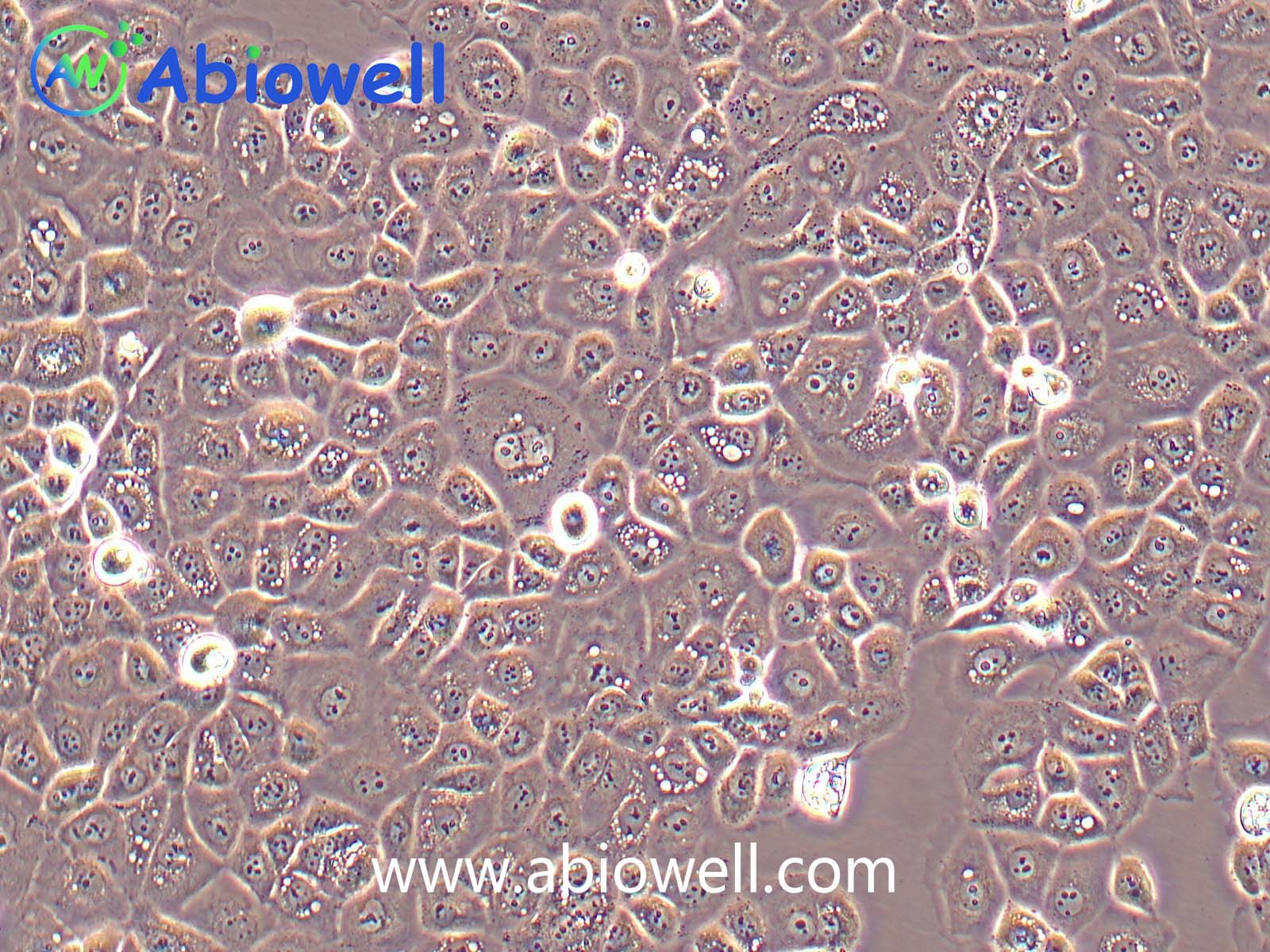

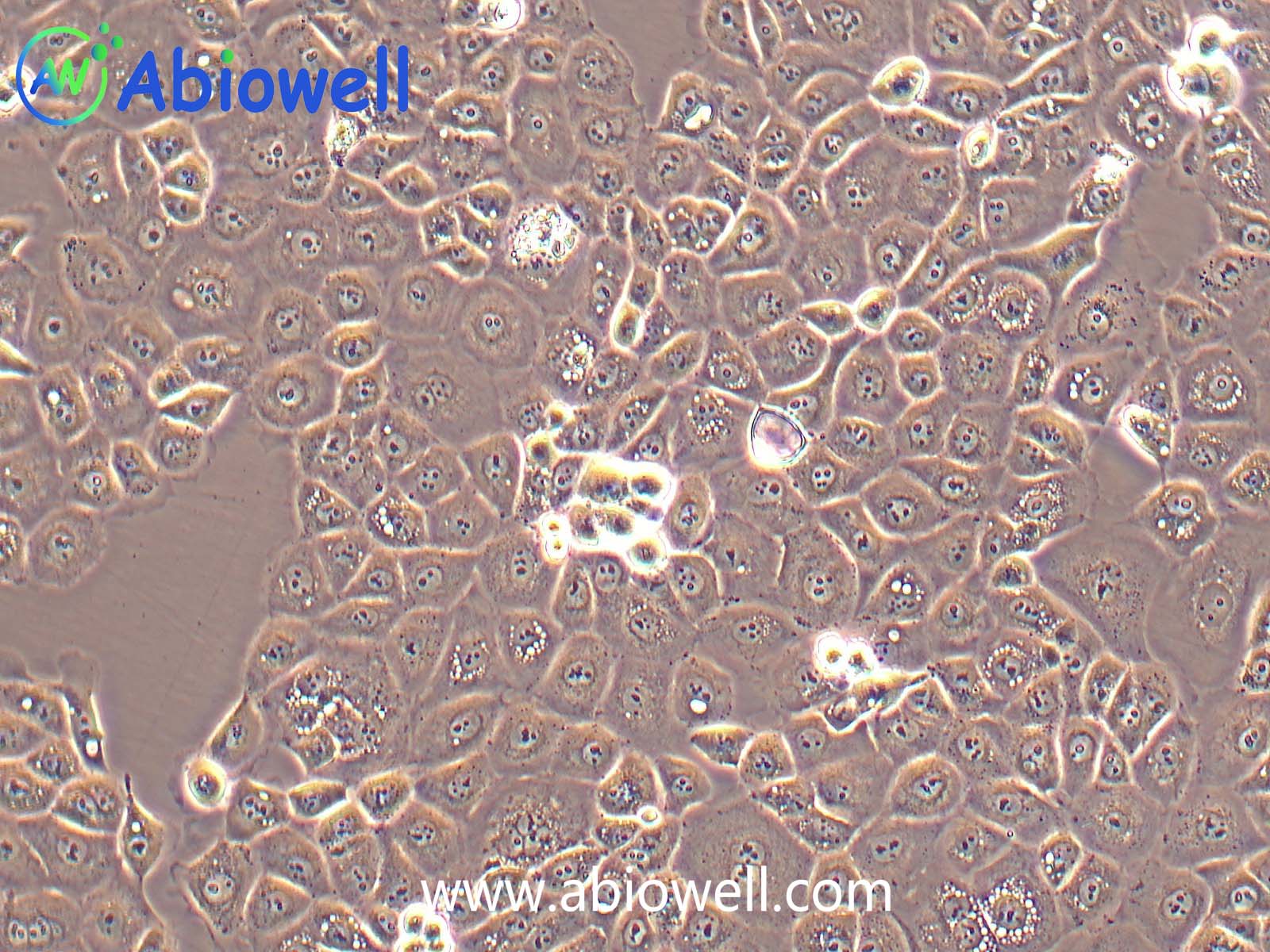
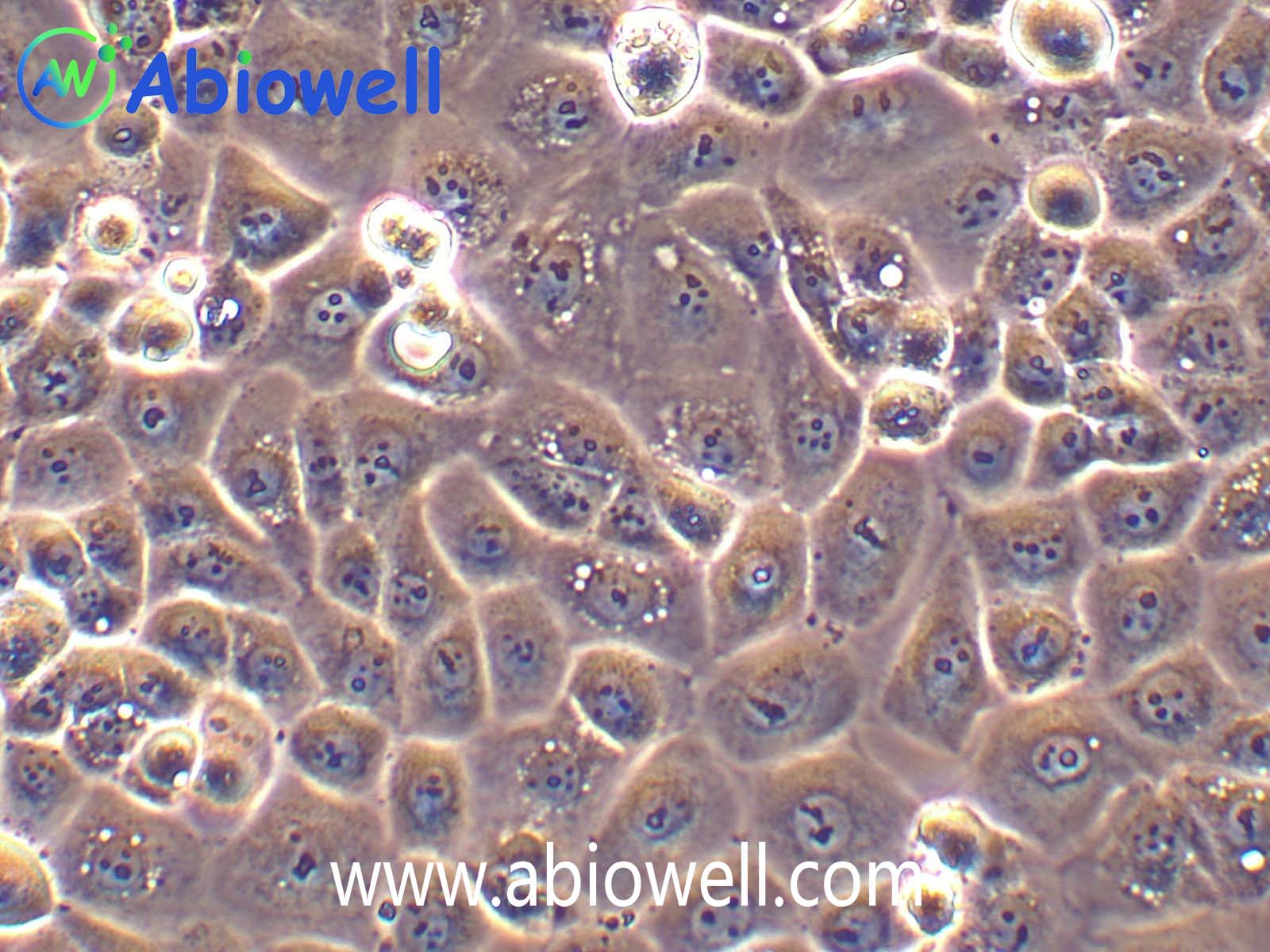
细胞描述:
OVCAR-3细胞由T·C·Hamilton在1982年建系。取于患进行性卵巢腺癌病人的恶性腹水。NIH-OVCAR-3是研究卵巢癌药物抗性的一个合适的模型系统且由于存在激素受体,这对于激素治疗的评估或许是有用的。
细胞特性:
1) 来源:卵巢
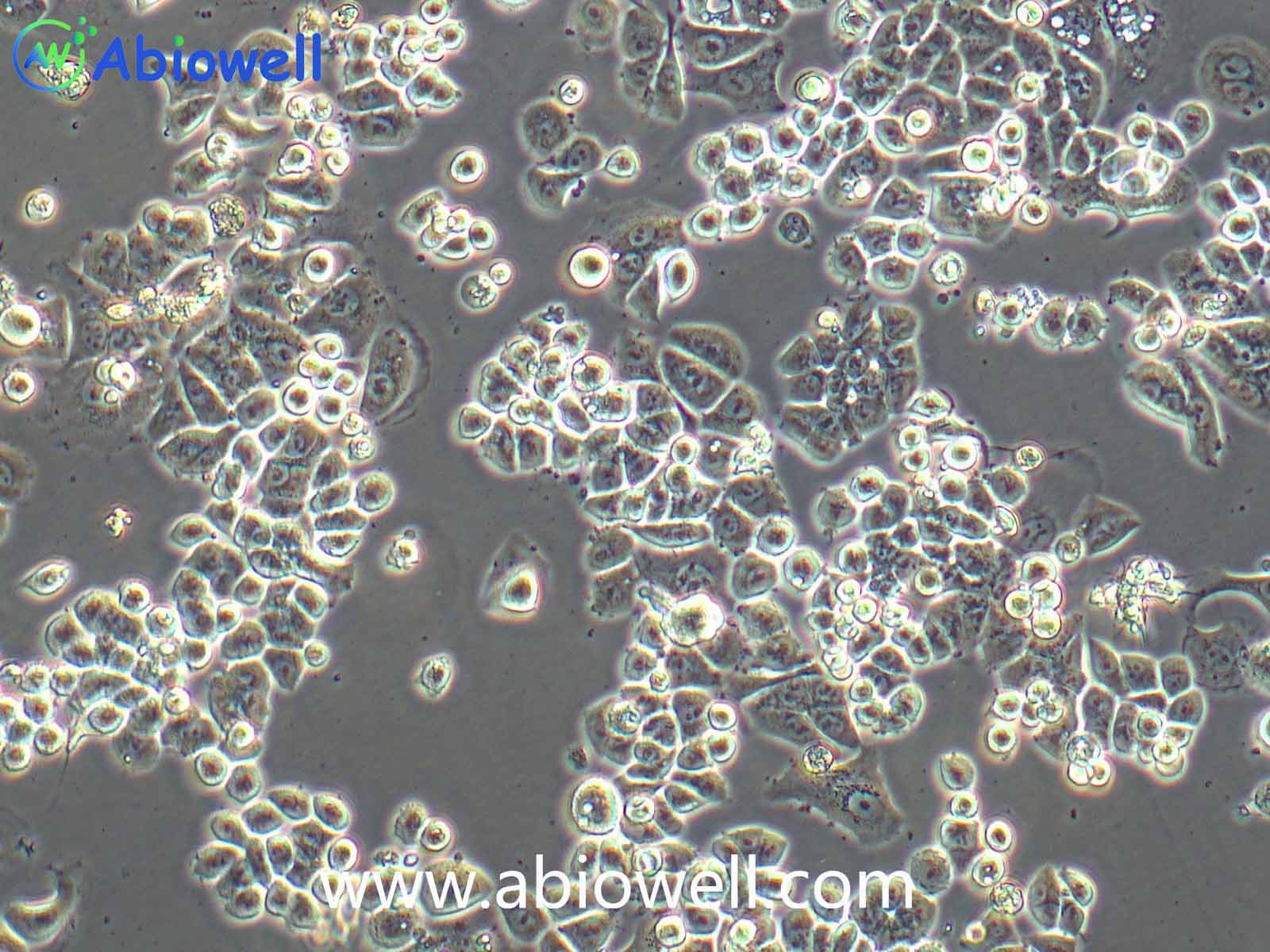
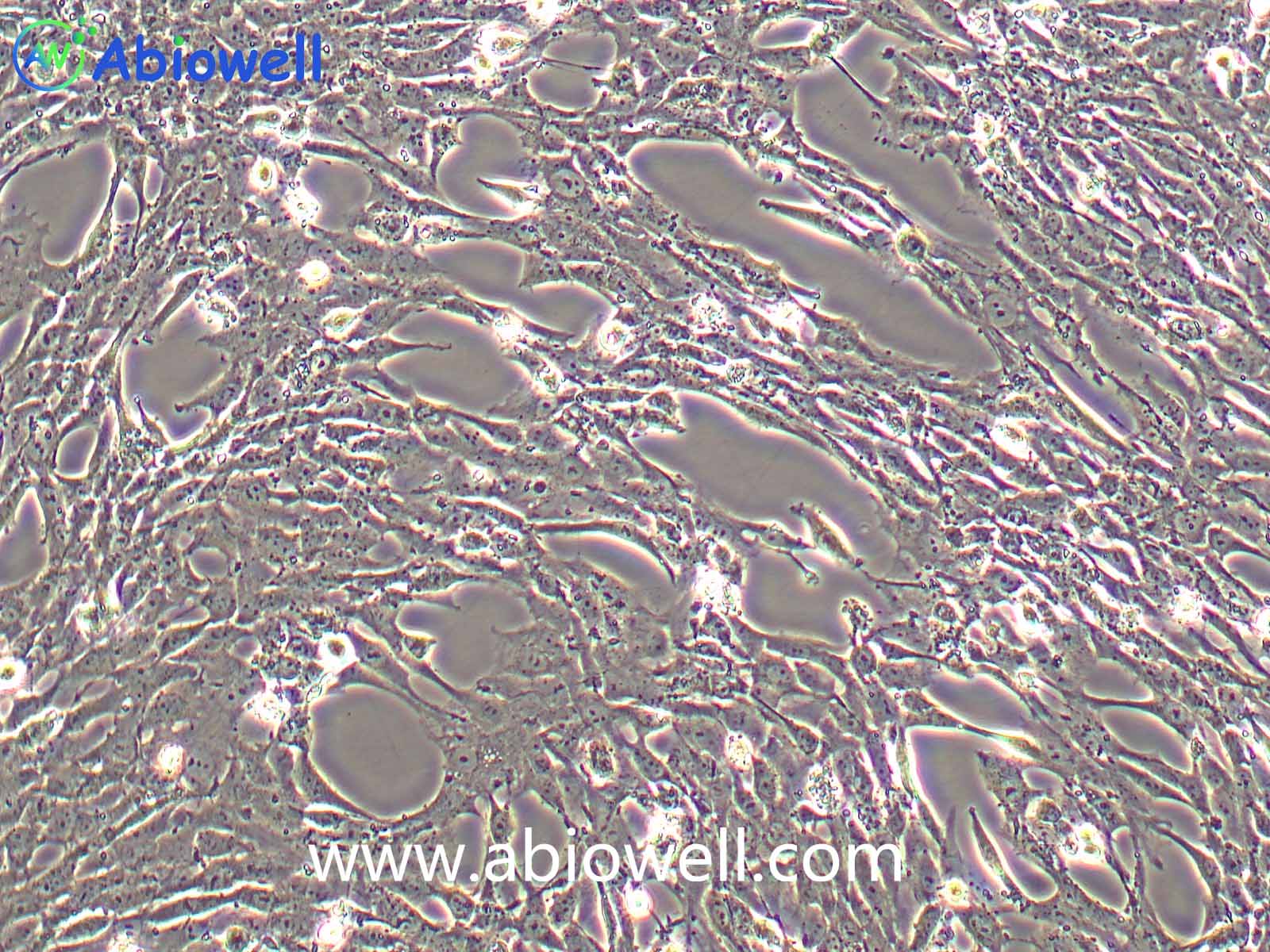
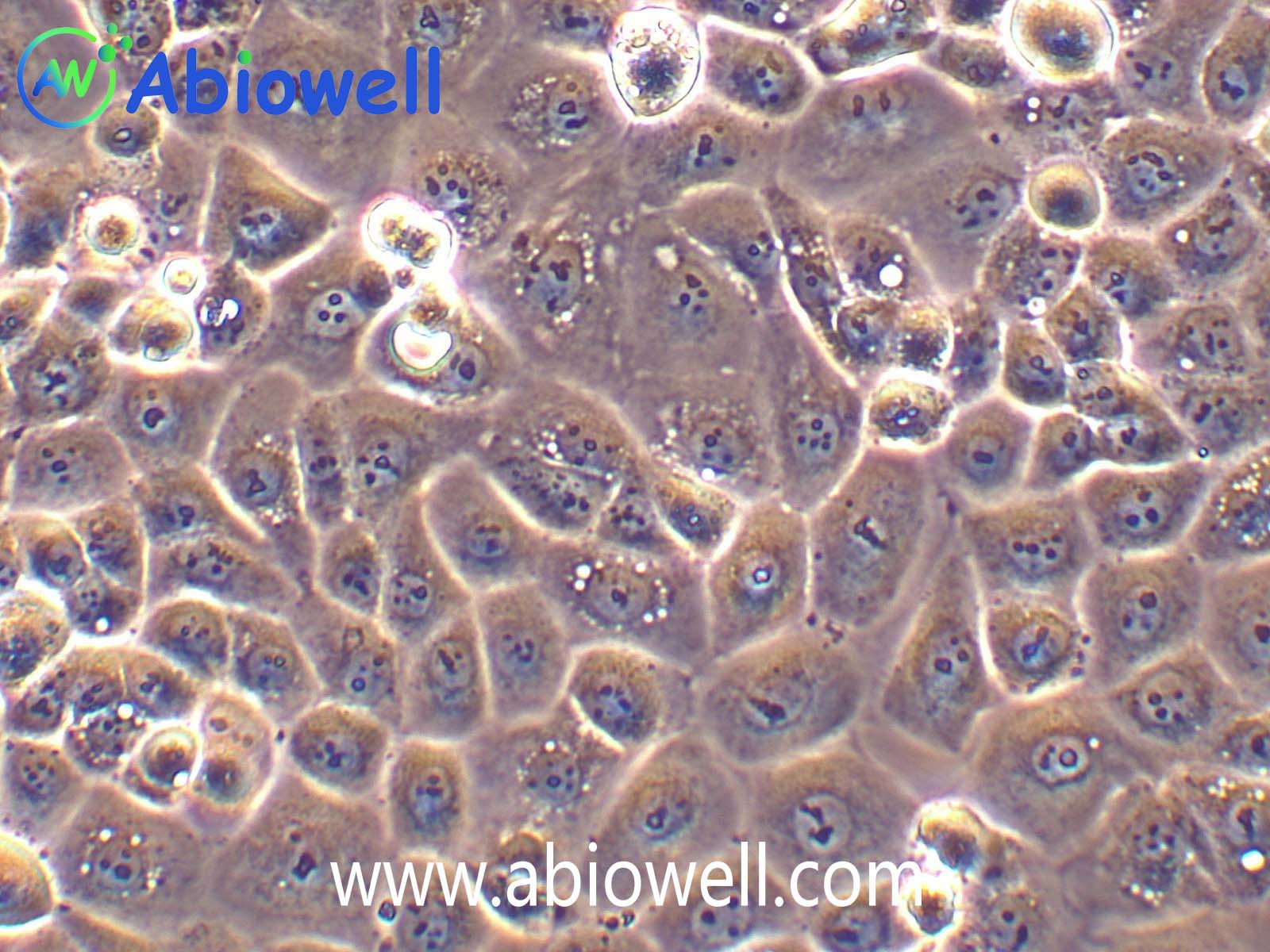
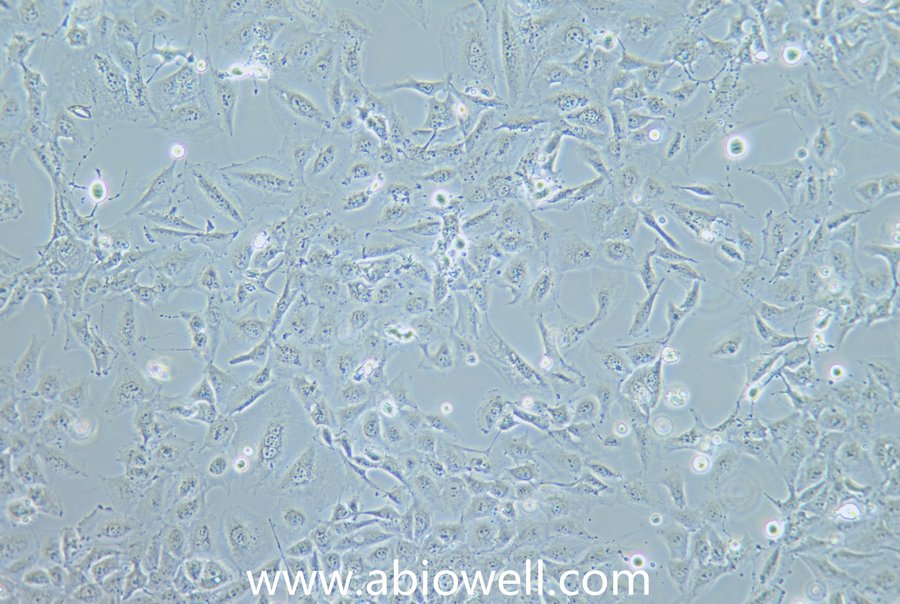
2) 形态:上皮细胞样,贴壁生长
3) 规格:1×10⁶cells
4) 培养条件:1640 +20%FBS(优质特级)+1%P/S+0.01mg/ml牛胰岛素 (推荐培养基:AW-MCH113)
空气,95%;二氧化碳,5%
37℃
5) 说明: 该细胞对血清质量要求比较高, 最好用优质特级胎牛血清, 最好是Gbico。
ovcar3细胞生长速度较慢,血清要求澳洲胎牛血清20%,细胞出现部分空泡以及有黑色小颗粒都是正常现象。
细胞接收后的处理:
1) 收到细胞后,活细胞首先观察培养瓶是否完好,培养液是否漏液,培养基是否浑浊;冻存细胞是否干冰已挥发完,冻存管盖是否脱落,破碎,若有这类情况,请务必拍照记录,并于收货24h内与我们联系。
2) 细胞处理:
复苏的细胞:如果是T-25培养瓶活细胞,收到后请用75%的酒精对培养瓶表面进行消毒处理,然后转入培养箱中静置2~3h后再进行后续处理。
备注:运输用的培养基不宜再次用来培养细胞,请按照说明书新配置完全培养基来培养细胞。
冻存细胞:如果是干冰运输的冻存细胞,收到后请立即转入液氮存储或者短暂(24h)放置-80度冰箱保存,或者直接进行细胞复苏。
细胞复苏、传代及冻存流程参考:
1、 细胞复苏
1) 配制完全培养基:基础培养基+胎牛血清+双抗(特殊培养基特殊配置);
2) 细胞复苏:取5ml完全培养基于15ml离心管中,37℃水浴锅预热,从液氮管(或者-80度冰箱)中快速取出冻存的细胞,放入37℃水浴锅中,摇晃使快速化冻(1min左右),然后将化冻的细胞和预热的培养基,移入超净工作台中,化冻的细胞加入到含预热培养基的15ml离心管中,1000rpm离心5min;
3) 吸弃上清,得到细胞沉淀,用2ml完全培养基轻轻重悬细胞,加入到T25培养瓶中,做好标记,放入37℃,5%CO2饱和适度培养箱中培养(培养皿复苏效果更好);
4) 24h后,观察细胞贴壁情况(未贴壁的即为死细胞--针对贴壁细胞),吸弃旧培养基,加入新鲜的预热(室温或37℃)的完全培养基,继续培养。
2、 细胞传代
1) 待细胞生长到80%-90%汇合度时,吸弃旧的培养基,加入1ml无菌PBS润洗一次,以去除残余的培养基及血清(血清含有胰酶的抑制因子),然后加入1ml 0.25%胰酶,37℃培养箱中消化(1~2min左右,不同细胞消化时间不同),取出细胞,镜下观察细胞至细胞皱缩变圆;
2) 加入1ml完全培养基(含FBS)终止消化,轻轻拍打,使细胞脱落下来成单个细胞悬液,收集细胞于15ml无菌离心管中,1000rpm,离心5min;
3) 收集细胞沉淀,完全培养基重悬,一分为二(可根据细胞生长速度调整比例),分别加入到2个新的培养瓶中,做好标记,放入培养箱中培养。
3、细胞冻存
1) 按照细胞传代方法,在超净工作台内消化收集细胞沉淀,取少量细胞用于计数;
2) 用预冷的1ml冻存液(90%完全培养基+10%DMSO)或者无血清细胞冻存液重悬细胞,加入到1.2ml冻存管中,密度为1*106个/ml。
3) 放入程序冻存盒,-80℃过夜后,转入液氮长期保存。
参考文献 (2)
Background Mitochondrial dysfunction affects the development of ovarian cancer (OC). ETV4 is involved in mitochondrial fusion. The regulatory pathways of ETV4 in OC cells have not been further investigated. In this study, we aimed to explore the effects of ETV4 on OC development and analyze the downstream regulatory pathways of ETV4. Methods The expression of ETV4 in OC cell lines (SK-OV-3, HEY, A2780, and OVCAR-3) was verified. After silencing ETV4, indicators related to mitochondrial function, including ATP level, mitochondrial membrane potential, mitochondrial DNA (mtDNA), and mitochondrial ROS (mtROS), were analyzed. The expression of mitochondrial fission/fusion-related markers (Mfn1, Mfn2, OPA1, DRP1, MFF, and FIS1) was detected. In vivo experiments were used to verify the effect of ETV4 on OC development. Results The TCGA-OV data indicated that ETV4 was highly expressed in OC. Silencing ETV4 inhibited the proliferation of OC cells. Mitochondrial membrane potential and ATP levels increased after ETV4 silencing, while mtDNA and mtROS levels decreased. ETV4 silencing promoted Mfn2 protein expression but did not affect Mfn2 mRNA level. Mfn2-associated E3 ubiquitin ligase MARCH9 was targeted and regulated by ETV4. MARCH9 overexpression alleviated the regulation of ETV4 silencing on mitochondrial function in OC cells. Lysosomal inhibitor CQ blocked the degradation of ubiquitinated Mfn2 protein. MARCH9 was found to mediate robust ubiquitination of Mfn2 via the K63-linked ubiquitination. Conclusions ETV4 was highly expressed in OC and involved in the regulation of mitochondrial function. ETV4 regulated Mfn2 ubiquitination linked by K63 by regulating MARCH9.
Ovarian cancer (OC) is one of the most severe cancers worldwide. Recent research suggests that the lysosomal pathway could be applied for early disease screening, prognosis evaluation, and adjuvant therapy. However, whether lysosome-related genes were applied for immune and prognosis prediction in OC remains unclear. RNA sequencing datasets, including clinical information of OC patients, were collected from TCGA and GEO databases. Lysosome-related prognostic genes and functional pathways in OC were identified using the lysosome dataset. The prognostic value of the most significant lysosome-related gene, SLAMF7, was estimated using Kaplan-Meier survival analysis. Differences in genomic mutations, tumor microenvironment immune infiltration, and drug resistance were evaluated in the high/low SLAMF7 of OC patients. The effect of SLAMF7 overexpression on the malignant characteristics of OC was assessed using OC cell lines (HEY A8 and OVCAR3 cells) and a xenograft mouse model. Based on the functional prediction of lysosome-related genes, T cell activation, immune receptor activity, and lysosomal pathways were significantly enriched in OC. Dimensionality reduction analysis using the random survival forest method confirmed that SLAMF7 was the most significantly different lysosome-related prognostic gene in OC. SLAMF7 was downregulated in OC cells and was associated with poor prognosis in OC patients. Low SLAMF7 expression was positively associated with chemotherapy sensitivity, immune infiltration, and function in OC patients. Overexpression of SLAMF7 promoted the pro-CTSB and LAMP1 expression, and inhibited CTSD expression in HEY A8 and OVCAR3 cells. Overexpression of SLAMF7 inhibited proliferation and formation of subcutaneous tumors in nude mice. The lysosome-related gene SLAMF7 is downregulated in OC and could serve as a prognostic biomarker. Overexpression of SLAMF7 inhibited the malignant of OC cells and tumor formation.