辅助试剂

联系我们CONTACT US

  • 172 6727 7467
    24小时服务热线
  • 销售邮箱

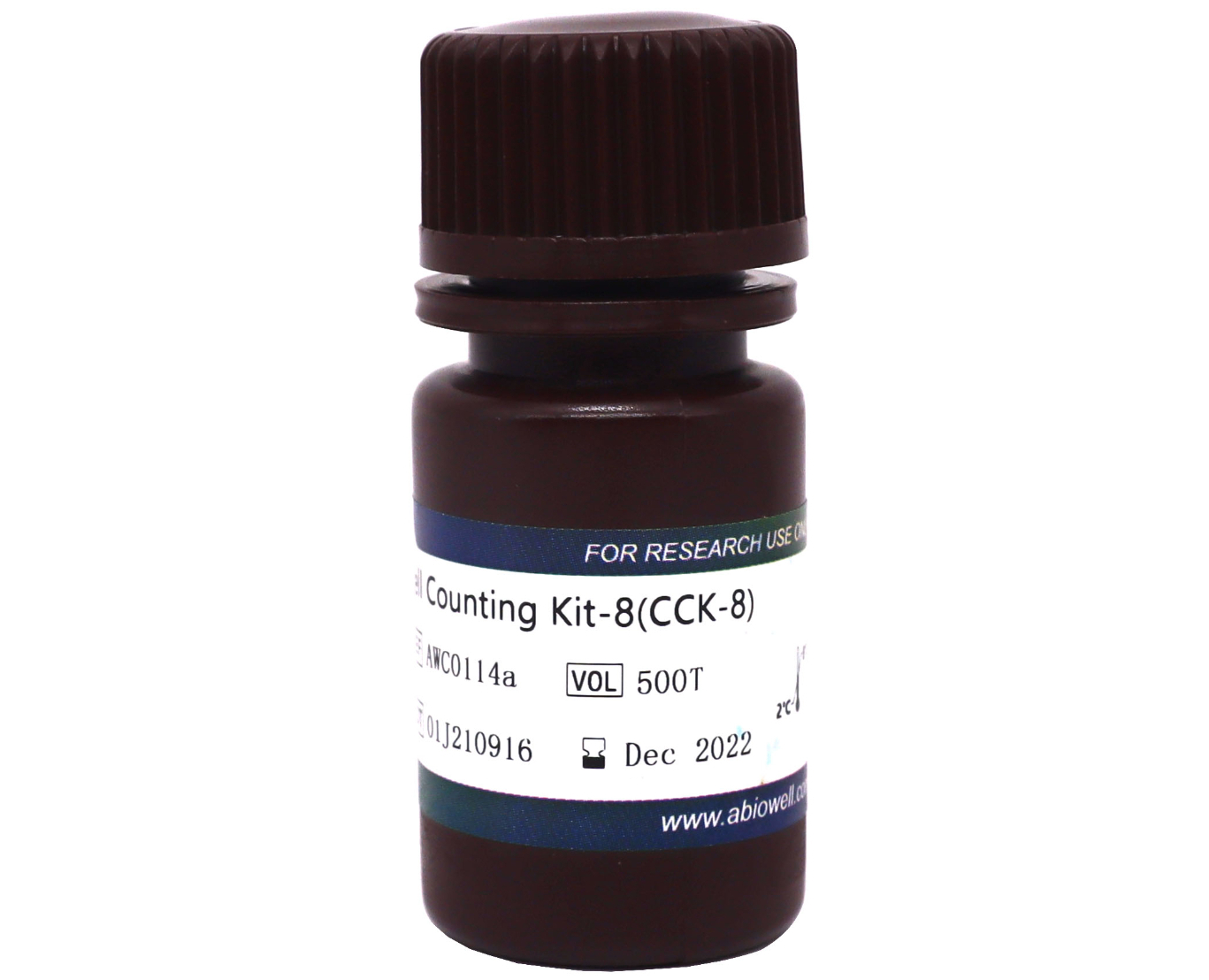
CCK-8细胞增殖及毒性检测试剂盒

一键复制产品信息

货号:AWC0114

价格: ¥80

规格: 100T 500T 1000T

  • 产品概述
  • Cell Counting Kit-8(CCK-8)细胞增殖-毒性检测试剂盒

    产品简介:

    水溶性四唑(2-(2-甲氧基-4硝基苯)-3-(4-硝基苯)-5-(2,4-二磺基苯)-2H-四唑单钠盐),是一种类似于MTT的化合物,在电子耦合试剂存在的情况下,被线粒体内的脱氢酶还原成橙黄色的水溶性的甲臜染料(formazan), 这种甲臜染料直接溶解在培养基中。水溶性四唑被细胞内脱氢酶生物还原后生成的甲臜能够。细胞增殖越多越快,则培养基的颜色越深;细胞毒性越大,则颜色越浅。对于同样的细胞,生成的甲臜物的数量与活细胞的数量成正比,颜色的深浅和细胞数目呈线性关系。正是利用这一特性开发的CCK-8试剂盒直接进行细胞增殖和毒性分析。CCK-8法应用非常广泛,如药物筛选、细胞增殖测定、细胞毒性测定、肿瘤药敏试验以及生物因子的活性检测等。
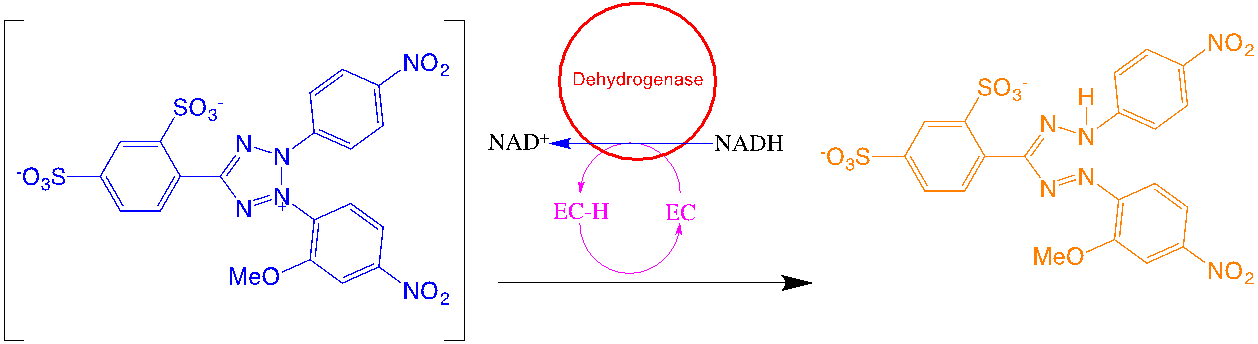
    AWC0114图片1.png

    CCK-8法与MTT比较:

    CCK8试剂盒提供了一种灵敏度高,操作简便,使用安全,重现性好的细胞增殖与活性检测方法。与传统的MTT相比无需有机溶剂和放射性同位素,步骤少,无损失,结果准确!本试剂盒检测非常便捷。试剂盒仅一管已经配制好的含有WST-8的CCK-8溶液,无须再进行任何配制等操作 。无须使用同位素,所有的检测步骤仅在同一块96孔板内完成。不必洗涤细胞,不必收集细胞,也不必采用额外的步骤去溶解formazan。可以用于大批量样品的检测。

    1. MTT实验生成的甲臜不是水溶性的,需要使用DMSO等有机溶剂溶解;而本方法产生的甲臜是水溶性的,不仅省去了溶解的步骤,更因此而减少了该操作步骤带来的误差。

    2. 与MTT方法相比,本方法线性范围更宽,灵敏度更高。

    本方法对细胞无毒性,因此加入WST-8显色后,可以在不同时间反复用酶标仪读数多次测定从而找到最佳测定时间。

    3. 本方法所用试剂在培养基中比MTT更加稳定,实验效果重复性好。

    4. MTT具有毒性,同时其生成的甲臜需要有机溶剂溶解,会对操作人员身体造成危害。本试剂无毒,使用中无需有机溶剂,操作更加安全。

    5. 本试剂盒在4℃避光可长期保存,使用无需配制,即开即用。

    6. 酚红和血清对CCK法的检测不会造成干扰(扣除空白孔即可)。

    用途: 

    CCK-8试剂盒可以用于生物活性因子的活性检测,抗肿瘤药物的筛选,细胞增值的测定,细胞毒性检测以及药敏等与细胞活性和增殖相关的实验。本试剂盒使用方便,试剂盒包含一管已经配制好的含有水溶性四唑的CCK-8溶液,即开即用,无需其他准备步骤。检测过程也无需采用额外的步骤去溶解甲臜,可直接使用96孔板或者384孔板在酶标仪上检测,适合大规模,高通量的样品检测。

    保存条件:

    CCK-8溶液在避光,0-4℃的条件下可以保存1年,如长期保存,可在-20℃下保存2年;如需经常使用请将试剂存放在0-5℃,为防止背景值增加干扰实验结果,请勿反复冻融。


    一、通用操作步骤

    1. 在96孔板每孔加入100uL细胞悬液;

    2.在培养箱中预培养细胞;

    3.向培养板中加入药物(如果不加药物,直接进行第五步操作);

    4.在培养箱中培养一段时间;

    5. 向每孔加入10 μL的CCK溶液;

    6. 将培养板在培养箱内孵育1-4小时(根据具体实验优化)。

    7. 用酶标仪测定在450nm处的吸光度

    、制作标准曲线(测定细胞具体数量时)

    1、先用细胞计数板计数所制备的细胞悬液中的细胞数量,然后接种细胞。

    2、按比例(例如:1/2比例)依次用培养基等比稀释成一个细胞浓度梯度,一般要做3-5个细胞浓度梯度,每组3-6个复孔。

    3、接种后培养2-4小时使细胞贴壁,然后加CCK试剂培养一定时间后测定OD值,制作出一条以细胞数量为横坐标(X轴),OD值为纵坐标 (Y轴)的标准曲线。根据此标准曲线可以测定出未知样品的细胞数量(用此标准曲线的前提条件是实验的条件要一致,便于确定细胞的接种数量以及加入CCK后的培养时间)

    、细胞活性检测

    1、在96孔板中接种细胞悬液(100μL/孔)。将培养板放在培养箱中预培养(在37℃,5% CO2的条件下)。

    2、向每孔加入10μL的CCK溶液(注意不要在孔中生成气泡,它们会影响OD值的读数)。

    3、将培养板在培养箱内孵育1-4小时。

    4、用酶标仪测定在450nm处的吸光度。

    5、如果暂时不测定OD值,打算以后测定的话,可以向每孔中加入10μL 0.1M的HCL溶液或者1% w/v SDS溶液,并遮盖培养板避光保存在室温条件下。在24小时内吸光度不会发生变化。

    、细胞增值-毒性检测

    使用方法(以96孔板为例,其他规格培养板按实际情况安排):

    1. 在96孔板中配置100μl的细胞悬液(通常细胞增殖实验每孔加入100μl 2000个细胞,细胞毒性实验每孔加入100μl5000个细胞。具体每孔所用的细胞的数目,需根据细胞的大小,细胞增殖速度的快慢等因素决定)。按照实验需要,进行培养(在37 °C,5%CO2,的条件下)预培养24小时。

    2. 向培养板加入1-10μl不同浓度的待测药物刺激。

    3. 将培养板在培养箱孵育一段适当的时间(后面有具体细胞的建议时间,例如:6、12、24或48小时)。

    4. 每孔加入10μl CCK-8溶液(注意不要在孔中生成气泡,它们会影响OD值的读数)。如果起始的培养体积为200μl,则需加入20μl CCK-8溶液,其他情况以此类推。可以用加了相应量细胞培养液和CCK-8溶液但没有加入细胞的孔作空白对照。如果担心所使用的药物会干扰检测,需设置加了相应量细胞培养液、药物和CCK-8溶液但没有加入细胞的孔作为空白对照。

    5. 在细胞培养箱内继续孵育1-4小时,对于大多数情况孵育1小时就可以了。时间的长短根据细胞的类型和细胞的密度等实验情况而定,初次实验时可以在0.5、1、2和4小时候分别用酶标仪检测,然后选取吸光度范围比较适宜的一个时间点用于后续实验。

    6. 用酶标仪测定在450nm处的吸光度,如无450nm滤光片,可以使用420-480nm的滤光片。可以使用大于600nm的波长,例如650nm,作为参考波长进行双波长测定。

    7. 如果暂时不测定OD值,打算以后测定的话,可以向每孔中加入10μl 0.1M的HCL溶液或者1% w/v SDS溶液,并遮盖培养板避光保存在室温条件下。在24小时内吸光度不会发生变化。

    8. 注意:如果待测物质有氧化性或还原性的话,可在加CCK之前更换新鲜培养基(除去培养基,并用培养基洗涤细胞两次,然后加入新的培养基),去掉药物影响。当然药物影响比较小的情况下,可以不更换培养基,直接扣除培养基中加入药物后的空白吸收即可。

    活力计算:

    细胞活力*(%)=[A(加药)-A(空白)]/[A(0加药)-A(空白)] ×100
    A(加药):具有细胞、CCK溶液和药物溶液的孔的吸光度
    A(空白):具有培养基和CCK溶液而没有细胞的孔的吸光度
    A(0加药):具有细胞、CCK溶液而没有药物溶液的孔的吸光度
    *细胞活力:细胞增殖活力或细胞毒性活力

    注意事项:

    1. 由于使用96孔板进行检测,如果细胞培养时间较长,一定要注意蒸发的问题。一方面,由于96孔板周围一圈最容易蒸发,可以采取弃用周围一圈的办法,改加PBS,水或培养液;另一方面,可以把96孔板置于靠近培养箱内水源的地方,以缓解蒸发。

    2. CCK-8检测细胞活性的原理是通过检测活细胞脱氢酶催化的反应。任何待测体系中存在还原剂,例如一些抗氧化剂会干扰检测,需设法去除。如果待测物质有氧化性或还原性的话,可在加CCK-8之前更换新鲜培养基,去掉药物的影响。当然药物影响比较小的情况可以不更换培养基,直接扣除培养基中加入药物后的空白吸收即可。

    3. 建议先做几个孔摸索接种细胞的数量和加入CCK-8试剂后的培养时间。

    4. 建议采用多通道移液器,可以减少平行孔间的差异。加入CCK试剂时,建议斜贴着培养板壁加,不要查到培养基液面下加样,溶液产生气泡,会干扰OD值读数。

    5. 当使用标准96孔板时,贴壁细胞的最小接种量至少为1000个/孔(100μl培养基)。检测白细胞时的灵敏度相对较低,因此推荐接种量不低于2500个/孔,(100μl培养基),且培养时间长一些。如果要使用24孔板或6孔板实验,请先计算每孔相应的接种量,并按照每孔培养基总体积的10%加入CCK-8溶液。

    6. 加入CCK-8溶液时,如果细胞培养时间较长,培养基颜色已变化或PH值变化。建议换用新鲜的培养基。

    7. 如果没有450nm的滤光片,可以使用吸光度在430-490nm之间的滤光片,但是450nm滤光片的检测灵敏度最高。

    8. 酚红和血清对本试剂盒的测定无明显影响。培养基中酚红的吸光度可以在计算时,通过扣除空白孔中本底的吸光度而消去,因此不会对检测造成影响。

    9. 为了您的安全和健康,请穿好实验服并佩戴一次性手套和口罩操作。

    10. 本产品仅限于专业人员的科学研究用,不得用于临床诊断或治疗,不得用于食品或药品,不得存放于普通住宅内。


    CCK-8法与其他细胞增殖/毒性检测方法的优势比较


    检测方法MTT法XTT法WST-1法CCK-8法
    甲臜产物的水溶性差 需要加DMSO溶解
    产品性状粉末2瓶溶液溶液1瓶溶液
    使用方法配成溶液后使用现配现用即开即用即开即用
    检测灵敏度一般较高较高
    重现性中等非常好
    检测时间较长较短较短最短
    检测波长560-600nm420-480nm420-480nm430-490nm
    细胞毒性高 细胞形态完全消失很低 细胞形态不变很低 细胞形态不变很低 细胞形态不变
    试剂稳定性一般非常差一般很好
    批量样品检测可以非常适合非常适合非常适合
    便捷程度一般,工作量大便捷便捷非常便捷


    注意:

    1.本产品仅供科研使用。请勿用于医药、临床诊断或治疗。食品及化妆品等用途。请勿存放于普通住宅区。

    2.为了您的安全和健康,请穿好实验服并佩戴一次性手套和口罩操作。

    3.实验结果可由多种因素影响,相关处理只限于产品本身,不涉及其他赔偿。

    参考文献 (89)

    Small IF:13

    Oxidative stress is a major factor leading to inflammation and disease occurrence, and superoxide dismutase (SOD) is a crucial antioxidative metalloenzyme capable of alleviating oxidative stress. In this study, a novel thermostable SOD gene is obtained from the Hydrogenobacter thermophilus strain (HtSOD), transformed and efficiently expressed in Escherichia coli with an activity of 3438 U mg −1 , exhibiting excellent thermal stability suitable for scalable production. However, the activity of HtSOD is reduced to less than 10% under the acidic environment. To address the acid resistance and gastrointestinal stability issues, a biomimetic mineralization approach is employed to encapsulate HtSOD within the ZIF-8 (HtSOD@ZIF-8). Gastrointestinal simulation results show that HtSOD@ZIF-8 maintained 70% activity in simulated gastric fluid for 2 h, subsequently recovering to 97% activity in simulated intestinal fluid. Cell and in vivo experiments indicated that HtSOD@ZIF-8 exhibited no cytotoxicity and do not impair growth performance. Furthermore, HtSOD@ZIF-8 increased the relative abundance of beneficial microbiota such as Dubosiella and Alistipes , mitigated oxonic stress and intestinal injury by reducing mitochondrial and total reactive oxygen species (ROS) levels in diquat-induced. Together, HtSOD@ZIF-8 maintains and elucidates activity in the intestine and biocompatibility, providing insights into alleviating oxidative stress in hosts and paving the way for scalable production.

    CELLULAR & MOLECULAR BIOLOGY LETTERS IF:12.2

    Transfer RNA-derived fragments (tRFs) are a recently discovered class of short noncoding RNAs widely distributed in various tissues and cell types. They are involved in the regulation of gene expression and play important roles in both physiological and pathological processes, garnering growing attention. However, the functions and underlying mechanisms of most tRFs in tumorigenesis and progression remain largely unclear. Through small RNA sequencing of nasopharyngeal carcinoma (NPC) and adjacent tissues, we found that among the top 30 highly expressed tRFs in NPC tissues, 13 were derived from lysine tRNAs, forming the 5′-tRF-Lys cluster. This cluster was found to promote NPC cell proliferation, invasion, and migration. Mechanistically, 5′-tRF-Lys binds to the 3′-untranslated region (3′-UTR) of YPEL3 messenger RNA (mRNA), suppressing its expression and thereby activating the Hippo/YAP signaling pathway to drive tumor progression. The elevated expression of pseudouridine synthases PUS1 and PUS7 in NPC tissues catalyzes pseudouridine modification of tRNA-Lys, facilitating its cleavage into 5′-tRF-Lys and accounting for its upregulation. Notably, the PUS1 -targeting small-molecule inhibitor mogroside IV-e effectively reversed malignant phenotypes in both in vitro and in vivo NPC models. This study uncovers a novel mechanism in which pseudouridine synthases PUS1 and PUS7 drive the biogenesis of the tRF-Lys cluster, promoting NPC malignancy by suppressing YPEL3 and activating the Hippo/YAP signaling pathway. These findings highlight the therapeutic potential of targeting pseudouridine synthases to reduce tRF-Lys production as a novel strategy for NPC treatment.

    ENVIRONMENTAL SCIENCE & TECHNOLOGY IF:10.8

    As an alternative plasticizer to conventional phthalates, di(2-ethylhexyl) terephthalate (DEHTP) has attracted considerable concerns, given its widespread detection in the environment and humans. However, the potential toxicity, especially liver toxicity, posed by DEHTP remains unclear. In this study, based on the 2017–2018 National Health and Nutrition Examination Survey, two metabolites of DEHTP, i.e., mono(2-ethyl-5-hydroxyhexyl) terephthalate (MEHHTP) and mono(2-ethyl-5-carboxypentyl) terephthalate (MECPTP), were found to be present in the urine samples of nearly all representative U.S. adults. Moreover, a positive linear correlation was observed between the concentrations of the two metabolites and the risk of nonalcoholic fatty liver disease (NAFLD) in the population. Results of weighted quantile sum and Bayesian kernel machine regression indicated that MEHHTP contributed a greater weight to the risk of NAFLD in comparison with 12 conventional phthalate metabolites. In vitro experiments with hepatocyte HepG2 revealed that MEHHTP exposure could increase lipogenic gene programs, thereby promoting a dose-dependent hepatic lipid accumulation. Activation of liver X receptor α may be an important regulator of MEHHTP-induced hepatic lipid disorders. These findings provide new insights into the liver lipid metabolism toxicity potential of DEHTP exposure in the population.

    Cell Communication and Signaling IF:8.9

    Background Despite many new drugs, multiple myeloma (MM) remains an incurable plasma cell malignancy, and drug resistance is a long-standing topic in this field. Characterized by efficient transcription without being limited by the double helix structure and promoter, extrachromosomal circular DNA (EccDNA) has been proven to be widely involved in cancer development and drug resistance. Methods We performed circle-seq and mRNA-seq on samples from three MM patients at the time of complete response and relapse to screen EccDNA candidate molecules. Outward PCR and Sanger sequencing were used to identify EccDNA molecules. RT‒qPCR and WB were performed to detect gene expression levels. Fluorescence in situ hybridization (FISH) was carried out to detect the deletion of chromosome 17p (del (17p)). Transmission electron microscopy (TEM) was conducted to observe autophagosomes. Luciferase reporter assays were performed to validate the binding of microRNAs to target genes. Cell viability assays and apoptosis assays were employed to assess drug resistance. Xenograft tumor mouse models were established for in vivo experiments. Immunohistochemistry (IHC) was used to detect protein expression levels. Results We successfully identified an EccDNA molecule (EccDNA chr17:38719676–38719812 ) in one relapsed MM patient with del(17p) and named it MIR4726 EccDNA . We demonstrated that the overexpression of MIR4726 EccDNA in MM cells can increase bortezomib resistance. We further confirmed that the precursor miRNA carried by MIR4726 EccDNA can be efficiently transcribed in MM cells and that MIR4726 EccDNA drives bortezomib resistance via the MIR4726-5p/NXF1/NKIRAS2 axis. We further revealed that downregulation of NFKB inhibitor interacting Ras like 2 (NKIRAS2) activated the NF-κB pathway and increased autophagy. Moreover, we established a xenograft model of human MM via subcutaneous inoculation. We administered intra-tumoral injection of AgoMIR4726-5p and intraperitoneal injection of bortezomib and found that AgoMIR4726-5p promoted tumor progression and partially drove bortezomib resistance. Conclusions In summary, our findings indicate that artificially synthesized MIR4726 EccDNA is functional in cells and that MIR4726 EccDNA enhances tumor progression and partially mediates drug resistance by enhancing MIR4726-5p/NXF1/NKIRAS2 axis dependent autophagy.

    FREE RADICAL BIOLOGY AND MEDICINE IF:8

    The integrity of blood-brain barrier (BBB) plays a pivotal role in the pathogenesis of Alzheimer’s disease (AD) by regulating Aβ clearance and neurotoxic compound exclusion. Hyperlipidemia exacerbates AD by impairing the BBB function. Inclisiran, a PCSK9-targeting siRNA, reduces cholesterol levels; however, its neuroprotective effects remain unclear. Here, we report the novel discovery that Inclisiran attenuates AD-like changes through the PCSK9-ferroptosis axis in brain microvascular endothelial cells (BMECs). First, integrated bioinformatics analysis and experimental validation of cortical tissues from patients with AD and healthy controls revealed a coordinated upregulation of PCSK9 and β-amyloid (Aβ), accompanied by increased iron deposition and significant activation of the ferroptosis pathway. Interestingly, these changes are located in the BMECs of the blood-brain barrier rather than in the brain parenchyma. Second, in hyperlipidemic ApoE-/- mouse models, integrated application of cerebral microvessel isolation, molecular biology techniques, immunofluorescence co-localization analysis, and behavioral tests demonstrated that Inclisiran significantly reduced AD-like changes by attenuating BBB dysfunction based on the suppression of PCSK9-mediated ferroptosis in BMECs. Third, in vitro studies employing the HCMEC/D3 BBB model with integrated assessments of lipid peroxidation, mitochondrial function, and transwell-based barrier integrity demonstrated that Inclisiran significantly reduced ferroptosis and restored BBB integrity via PCSK9 suppression. Our findings not only establish a novel PCSK9-ferroptosis-BBB regulatory axis in AD pathogenesis but also posit the clinically approved lipid-lowering drug, Inclisiran, as a promising therapeutic candidate for AD, providing new targets and mechanisms for the prevention and treatment of AD.

    BIOMEDICINE & PHARMACOTHERAPY IF:7.5

    Background and purpose Research has revealed the involvement of mitochondrial autophagy and iron death in the pathogenesis of myocardial fibrosis. The objective of this study is to investigate whether the mitochondrial-targeted H 2 S donor AP39 inhibits mitochondrial autophagy and antagonizes myocardial cell iron death through the PINK1/Parkin pathway, thereby improving myocardial fibrosis in rats with myocardial infarction. Experimental approach A rat model of myocardial infarction was created by intraperitoneal injection of a high dose of isoproterenol, and H9c2 myocardial cells were subjected to hypoxic injury induced by CoCl 2 . Western blot, RT-PCR, transmission electron microscopy, immunohistochemistry, as well as echocardiography, and studies on isolated hearts were employed. Key results In the hearts of rats with myocardial infarction, there was a significant accumulation of interstitial collagen fibers, accompanied by downregulation of CSE protein expression, activation of the PINK1/Parkin signaling pathway, and activation of mitochondrial autophagy. Intervention with AP39 resulted in a significant improvement of the aforementioned changes, which could be reversed by the addition of PAG. Similar results were observed in vitro experiments. Furthermore, the addition of CCCP reversed the antagonistic effect of AP39 on myocardial cell iron death, while the addition of RSL3 reversed the inhibitory effect of AP39 on collagen production in myocardial cells. Conclusion and implications The mitochondrial-targeted H 2 S donor AP39 can inhibit mitochondrial autophagy through the PINK1/Parkin pathway, antagonize myocardial cell iron death, and improve myocardial fibrosis in rats with myocardial infarction.

    Journal of Translational Medicine IF:7.5

    Background Neuroblastoma (NB) is the most common solid tumor in children, characterized by high recurrence rates, drug resistance, and significant mortality. Methods In this study, we analyzed the proteomic profiles of NB tissue samples alongside other pathological categories, including ganglioneuroma (GN) and ganglioneuroblastoma (GNB). Using weighted gene co-expression network analysis (WGCNA), the core prognostic gene models associated with histopathology of NB were identified. Furthermore, by mapping our core prognostic gene models onto drug-perturbed transcriptome profiles from the L1000FWD and CMap databases, repurposing drug candidates were screened and validated for NB. Results Our proteomic analysis reveals that pathways associated with the cell cycle and DNA replication are significantly upregulated in NB, while oxidative phosphorylation, pyruvate metabolism, and the TCA cycle are notably downregulated compared to GNB and GN. By applying WGCNA, we identified a core prognostic gene model strongly associated with the unfavorable subtype and high MKI of NB and primarily related to chromatin binding and mRNA metabolic process. Protein–protein interaction network analysis identified 15 hub genes in this core prognostic module: SMARCA4, SMARCA5, SMARCC2, SMARCC1, PBRM1, BRD3, ARID1A, BRD2, ARID1B, KDM1A, TP53BP1, ALYREF, CBX1, SF3B1, and ADNP, which mainly related to chromatin remodeling. Notably, SMARCA4 and ALYREF are also high-risk genes of mortality and validated as potential prognostic biomarkers for NB. Through repurposing drugs screening, mocetinostat and clofarabine were validated as effective treatments in two NB cell lines. Conclusion Mocetinostat and clofarabine offer valuable insights for the development of novel targeted therapies in neuroblastoma.

    APPLIED SURFACE SCIENCE IF:7.392

    Bacterial infections associated with metal implants and devices are an urgent challenge in biomedical materials, especially when bacterial biofilms form on the implant surface. Here, we developed a novel strategy to combat infections with bacteria-associated titanium implants. Curcumin molecular modification was carried out on the phenolic hydroxyl group to obtain curcumin carboxylic acid (Cur-COOH) with the β-diketone structure of curcumin retained. Cur-COOH was covalently immobilized on the (3-aminopropyl) triethoxysilane (APTES)-treated titanium surface via an amidation reaction to establish the curcumin-titanium implant interface (Ti- g -Cur). Scanning electron microscopy (SEM), energy dispersive spectrometry (EDS), water contact angle (WCA), and X-ray photoelectron spectroscopy (XPS) proved that Cur-COOH was successfully anchored on the titanium implants surface. Ti- g -Cur showed excellent antibacterial activity against E. coli and S. aureus , with antibacterial rates of 90.53 % and 94.38 %, respectively. Confocal laser scanning microscopy (CLSM) imaging showed that Ti- g -Cur could effectively inhibit bacterial biofilm formation for up to 5 days. In addition, Ti- g -Cur exhibited superior performance on mammalian hemocompatibility and cytocompatibility. Replacing antibiotics with natural pigment curcumin derivatives for application in biological materials can not only result in a high degree of biocompatibility but also fights bacteria and biofilm formation effectively.

    ECOTOXICOLOGY AND ENVIRONMENTAL SAFETY IF:6.6

    Exposure to fine particulate matter (PM 2.5 ) represents a critical environmental health threat, with growing evidence linking it to accelerated chronic kidney disease (CKD) progression. However, the underlying mechanism of this toxicity remains poorly understood. This study investigated whether PM 2.5 exposure induces renal tubular cell senescence and explored the molecular basis of this process. We found that PM 2.5 exposure caused kidney injury in mice and upregulated senescence markers in both mice and human kidney proximal tubule epithelial (HK-2) cells. Mechanistically, PM 2.5 downregulated FOXP1 expression, relieving its transcriptional repression of CDKN1A (encoding P21), leading to P21 upregulation and subsequent cell cycle arrest. Overexpressing FOXP1 or treating with quercetin mitigated PM 2.5 -induced senescence in HK-2 cells. Our findings demonstrate that reduced FOXP1 drives cellular senescence in PM 2.5 -induced renal injury and identify quercetin as a potential therapeutic agent that activates FOXP1 and alleviates PM 2.5 nephrotoxicity.

    APPLIED SURFACE SCIENCE IF:6.3

    Hydrophilic thermoplastic polyurethane (TPU) is applicable in the fields of packaging, oil–water separation, and biomedical. Nevertheless, the process of its preparation is still a great challenge. The objective of this study is to develop TPU with excellent wettability and hydrophilic stability by surface modification. Four methods were evaluated: coating with PVP (polyvinylpyrrolidone) solution, immersion in PVP solution, N 2 /Ar plasma treatment, and N 2 /Ar plasma-induced graft polymerization with PVP. Finally, the results indicate that the sample called TPU-g-PVP, which utilizes plasma-induced grafting, exhibits the best performance. The water contact angle (WCA) reduces from 109° to 9.2°, and maintains within 20° after 80 days under atmospheric conditions. Its surface energy (72.4 mN/m) is increased by 2.8 times than untreated TPU. The surface morphology and roughness are almost unchanged when compared to the original TPU. Some characteristic peaks (–OH and C = O) of PVP on the TPU-g-PVP were found by infrared spectroscopy. X-ray photoelectron spectroscopy (XPS) examination revealed a reduction in C on the TPU surface as the content of N and O increases. Experiments on biocompatibility showed that the PVP deposited substrates improved cell adherence without generating new cytotoxicity.

    复制成功!

    内容已复制到剪贴板

    在线客服
    关闭
    小薇 薇薇 小艾 小奥
    联系销售
    技术支持

    image.png

    月琴艾碧维二维码.jpg